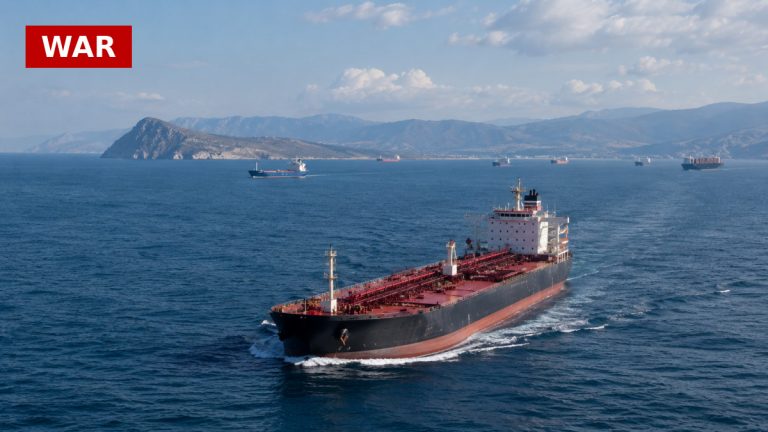
A newly released 14-point interim agreement between the US and Iran aims to halt military operations for 60 days, significantly impacting global trade routes. The agreement includes provisions for reopening the Strait of Hormuz, a crucial waterway for oil shipments, which has been under blockade. This reopening is expected to alleviate some of the economic pressures caused by the closure, which has disrupted supply chains and increased oil prices worldwide.
The plan also emphasizes mutual respect for sovereignty and non-interference in internal affairs, which could lead to a more stable regional environment. However, the commitment from Iran not to develop nuclear weapons is a critical aspect that could influence international relations and security dynamics in the Middle East.
As commercial vessels are allowed safe passage through the Strait of Hormuz, the immediate flow of traffic will depend on the removal of technical and military obstacles. This could mean a gradual return to normalcy for shipping companies and economies reliant on oil exports, potentially stabilizing prices in the long term.
The formal signing of the agreement in Switzerland marks a pivotal moment in US-Iran relations, with implications that extend beyond the immediate cessation of hostilities. The success of this plan could reshape diplomatic ties and economic interactions in the region, affecting global markets and energy security.
Source: DW News