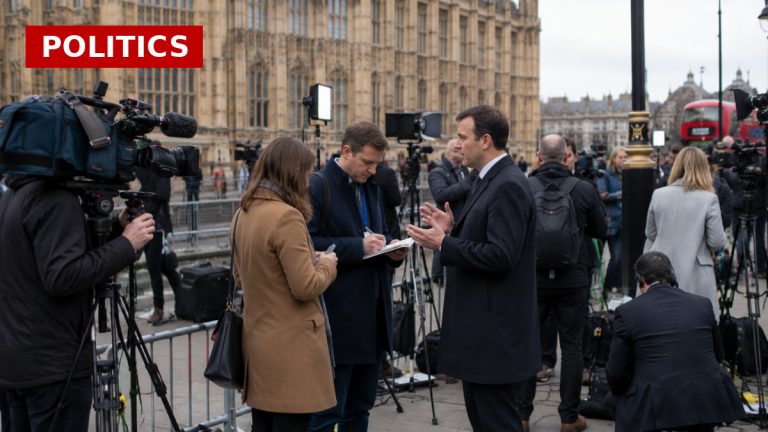
Keir Starmer is poised to announce his departure from the role of Prime Minister, potentially by autumn, which could lead to Andy Burnham stepping in without a formal contest. This transition marks a significant moment in UK politics, as it would result in the installation of the seventh prime minister in just a decade, reflecting ongoing instability within the Labour Party.
Starmer’s decision comes amid pressure from cabinet ministers who have suggested that his time is up, particularly following Burnham’s recent electoral success. The timing of Starmer’s exit is crucial; it allows Burnham to prepare adequately for leadership while also aligning with the Labour Party’s annual conference in September, a key event for rallying support.
The implications of this shift extend beyond party dynamics. If Burnham assumes leadership without contest, it could signal a consolidation of power within the party, potentially sidelining other candidates like Wes Streeting. This scenario raises questions about the future direction of Labour and its policies, especially as the party gears up for a politically significant budget later this autumn.
As Starmer prepares to step down, the political landscape is set for a transformation that could redefine Labour’s approach and strategy ahead of the next general election. The lack of a formal contest may streamline the transition but also risks stifling diverse voices within the party, which could have long-term effects on its electoral viability.
Source: The Guardian