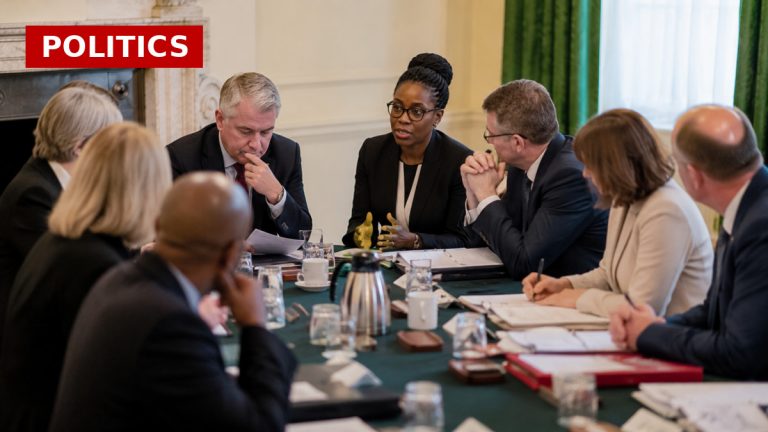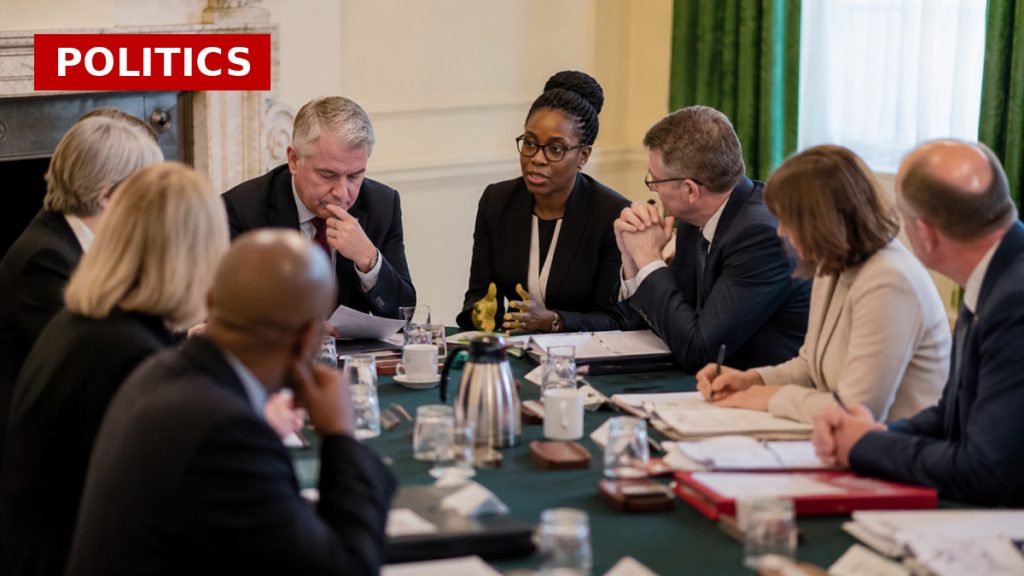
Sir Keir Starmer’s tenure as Prime Minister has marked a significant shift in the UK’s relationship with Northern Ireland, primarily due to his unique position of not having to navigate the frequent suspensions of the Stormont Assembly that plagued his predecessors. This allowed him to focus on rebuilding ties with the Irish government, which had deteriorated under the Conservative leadership, especially post-Brexit.
Starmer’s commitment to repealing controversial legacy legislation related to the Troubles was a key aspect of his approach. His administration’s establishment of a new Legacy Commission aimed to address historical grievances while attempting to reassure both nationalists and unionists, though concerns remain about protections for British Army veterans.
The annual summits initiated between London and Dublin under Starmer’s leadership represent a proactive effort to mend relations, with both governments expressing a desire to move past the tensions of recent years. This reset is crucial as it lays the groundwork for future cooperation, particularly in light of ongoing legal challenges at the European Court of Human Rights.
Despite Starmer’s efforts, his political downfall was unrelated to Northern Ireland’s future, highlighting the complexities of UK politics. The implications of his policies may continue to influence the region’s stability and the broader UK-Ireland relationship long after his departure from office.
Source: BBC News