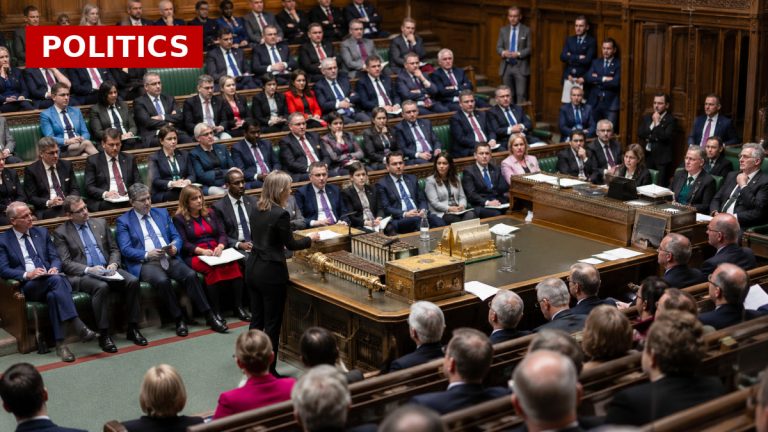
Keir Starmer’s rapid decline from a promising Labour leader to a caretaker prime minister illustrates the fragility of political capital. Initially elected to restore stability after years of Conservative turmoil, Starmer’s leadership faced scrutiny due to corruption allegations and policy missteps. His decision to cut welfare spending angered party members, undermining the trust he sought to build.
The appointment of Peter Mandelson as US ambassador proved disastrous when links to Jeffrey Epstein surfaced, further damaging Starmer’s reputation. This incident highlights the risks of political appointments and the importance of public perception in leadership. Starmer’s fall from grace serves as a cautionary tale about the consequences of failing to maintain a clear moral compass in politics.
Despite Labour’s parliamentary majority, Starmer’s support was shallow, driven more by anti-Conservative sentiment than genuine enthusiasm for his policies. This disconnect between leadership and voter expectations has significant implications for the party’s future, especially with the next general election looming.
As Starmer steps down, the Labour Party faces a critical juncture. The challenge will be to rebuild trust and reconnect with the electorate, ensuring that the lessons learned from this leadership crisis inform their strategy moving forward. The political landscape in the UK may shift dramatically as new leadership emerges, potentially reshaping the party’s identity and approach to governance.
Source: France 24