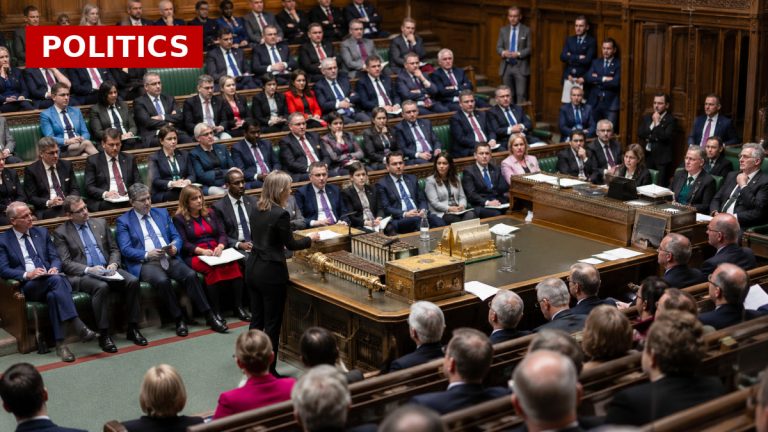
Sir Keir Starmer’s resignation as Prime Minister has sparked intense criticism, with Andrew Pierce branding his leadership a ‘woeful failure’. This marks a significant moment for the Labour Party, which now faces the challenge of redefining its direction and strategy. Starmer’s tenure, described as lacking vision, has left the party at a crossroads, prompting discussions about potential successors and their plans for recovery.
The immediate impact of Starmer’s departure could reshape Labour’s approach to key issues, including economic growth and welfare reform. With rising concerns over the welfare bill and economic stagnation, the new leader will need to address these pressing challenges head-on. The party’s ability to present a coherent plan will be crucial in regaining public trust and support.
As Labour looks to the future, the leadership challenge from figures like Andy Burnham highlights the need for a clear strategy. Burnham’s potential candidacy could bring fresh ideas, but he must articulate a vision that resonates with voters. The party’s next steps will be closely watched, as they could determine its relevance in the current political landscape.
Starmer’s resignation not only signals a shift within Labour but also reflects broader trends in UK politics, where leadership effectiveness is increasingly scrutinised. The outcome of this transition will have lasting implications for the party’s identity and its role in addressing the nation’s challenges.
Source: GB News