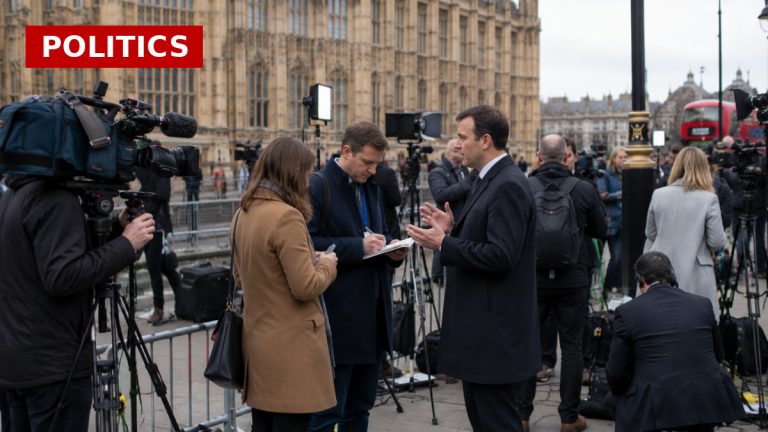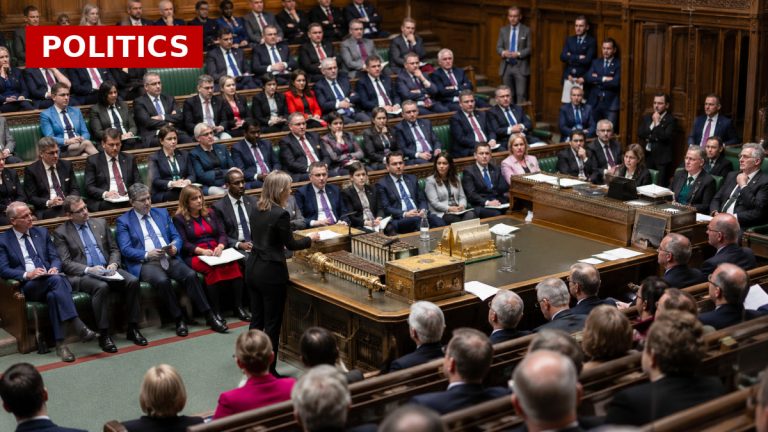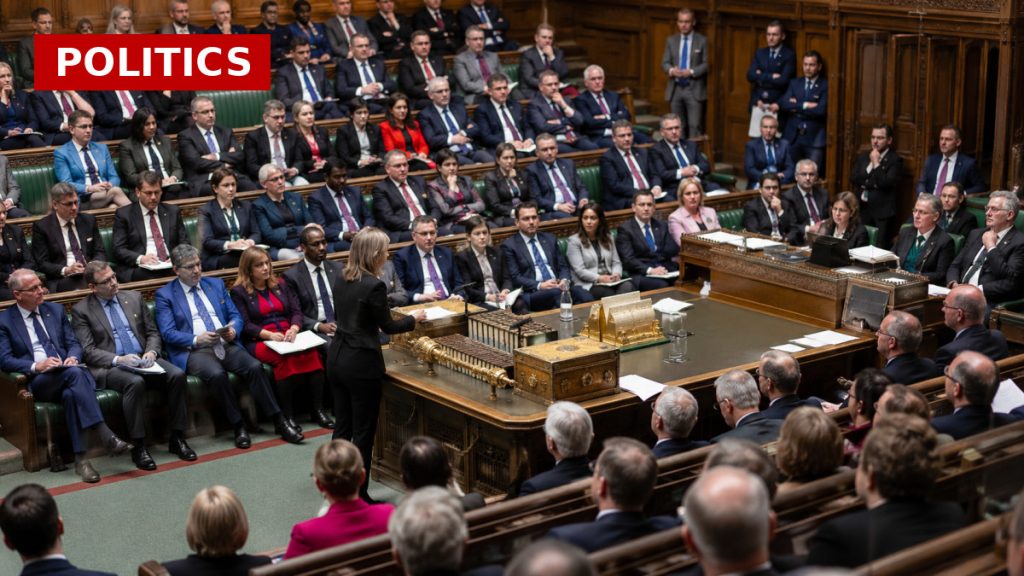
Keir Starmer’s rapid rise and fall as Prime Minister has left many questioning the volatility of the electorate. Winning a landslide victory in July 2024, Starmer was ousted less than two years later, despite not facing any major scandals or crises. This paradox highlights a significant shift in voter expectations, where even a stable government can be deemed inadequate if it fails to resonate with the public’s evolving sentiments.
Starmer’s leadership was marked by a lack of compelling communication, which proved detrimental. His inability to articulate a clear vision or narrative for his government left both voters and party members confused about his agenda. Unlike past leaders who effectively connected with the public, Starmer struggled to convey the rationale behind his policies, resulting in a disconnect that ultimately cost him support.
Moreover, Starmer’s failure to capitalize on the initial political capital gained from his election victory meant that crucial early months were wasted. Without a defined plan or direction, his administration lacked the momentum needed to implement meaningful change. This absence of strategy not only hindered his leadership but also contributed to a growing sense of impatience among voters seeking decisive action.
As political analysts reflect on Starmer’s tenure, the implications for his successor are profound. The next leader must navigate an increasingly demanding electorate that expects not just stability, but also a clear and engaging vision for the future. The lessons from Starmer’s downfall may shape the strategies of future leaders as they seek to connect with a public that is more discerning than ever.
Source: The Guardian