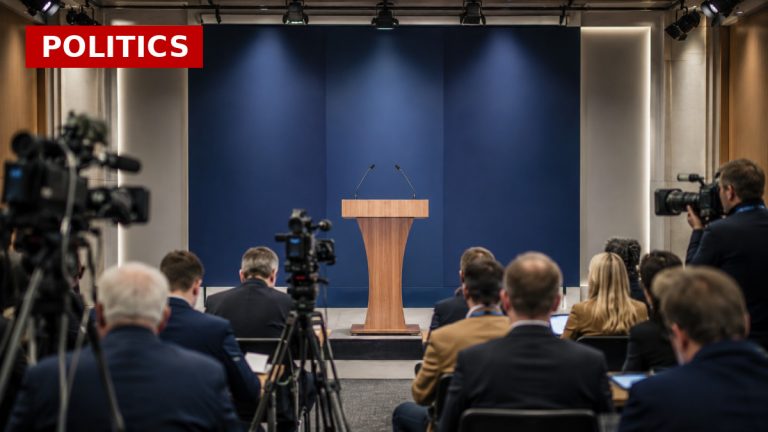
Keir Starmer’s resignation speech marks a pivotal moment in UK politics, reflecting not just his leadership but the broader implications for the Labour Party. His announcement, delivered under the watchful eyes of ministers and advisers, signals a shift in party dynamics as he acknowledges the pressure from within his ranks. This moment is reminiscent of past political upheavals, highlighting the cyclical nature of leadership challenges in Westminster.
The emotional weight of Starmer’s farewell, particularly his tribute to family, resonates with voters who value personal stories in politics. This connection could influence public perception of the Labour Party’s future direction and its ability to unite under new leadership. As Starmer prepares to step aside, the question of who will succeed him looms large, potentially reshaping party strategy ahead of the next general election.
The backdrop of his speech, with the Anthem of Europe playing nearby, underscores the ongoing tensions surrounding Brexit and its impact on national identity. This moment encapsulates the challenges facing the Labour Party as it navigates a divided electorate and seeks to redefine its stance on key issues.
As the political landscape evolves, Starmer’s resignation could serve as a catalyst for change within Labour, prompting a re-evaluation of policies and strategies that resonate with a broader base. The implications of this transition will be felt not just within party walls but across the UK as voters look for leadership that reflects their concerns and aspirations.
Source: The Guardian