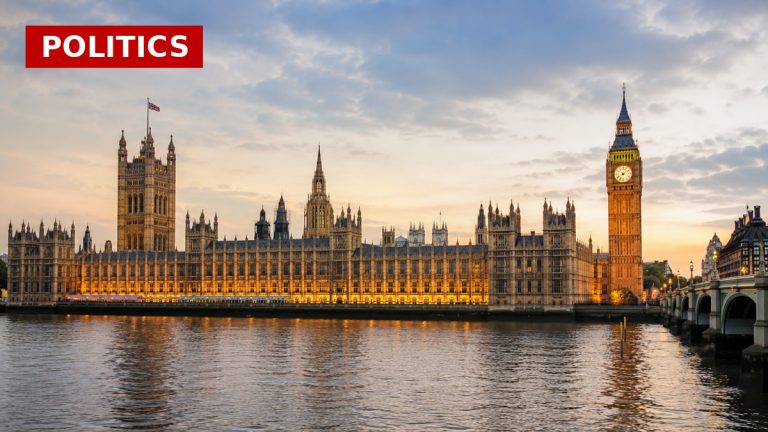
The UK is at a critical juncture as it prepares for its seventh Prime Minister since the Brexit vote. This leadership change comes amid significant political turmoil, with Keir Starmer resigning after a disappointing performance in local elections. His departure raises questions about the future direction of the Labour Party and its approach to Brexit, which remains a contentious issue in British politics.
Starmer’s resignation not only reflects internal party dissent but also highlights the broader implications for the UK’s relationship with the European Union. The next Prime Minister will need to navigate these complex waters, balancing party expectations with public sentiment regarding Brexit.
As the country approaches the tenth anniversary of the Brexit referendum, the new leader will face the challenge of addressing the economic and social ramifications of the decision. This pivotal moment could redefine the UK’s political landscape, influencing everything from trade agreements to immigration policies.
The outcome of this leadership transition will have lasting effects on everyday life in the UK, impacting household finances, job security, and the overall political climate. Citizens will be watching closely to see how the new Prime Minister addresses these pressing issues and whether they can unite a divided party and country.
Source: France 24