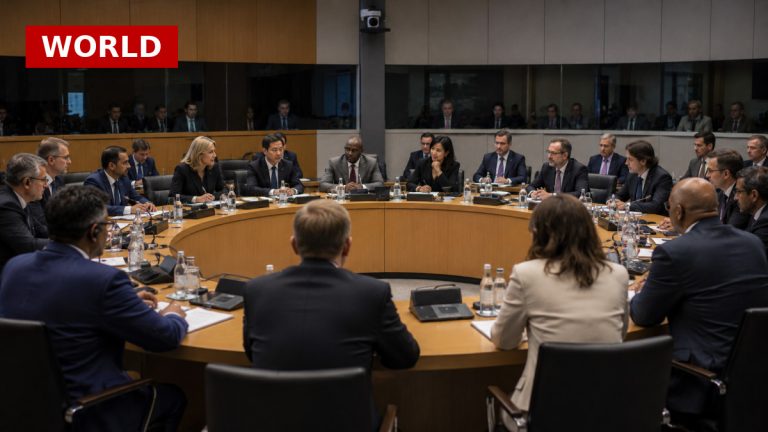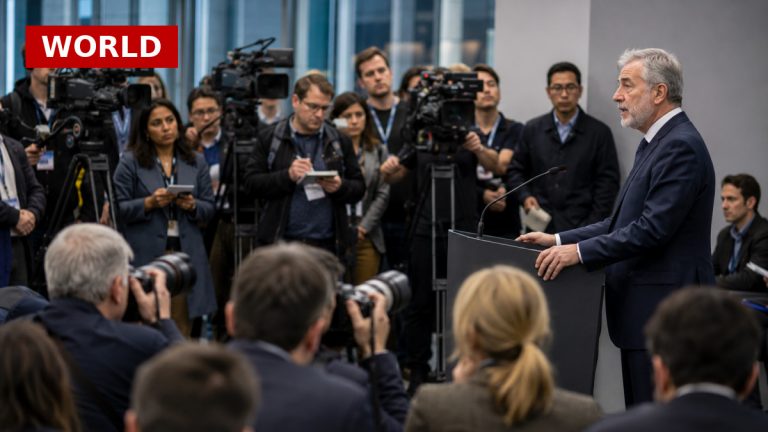
The European Union is facing intense backlash over its decision to host a Taliban delegation in Brussels. Critics, including rights campaigners and Members of the European Parliament (MEPs), argue that this meeting could inadvertently normalise a regime notorious for its severe restrictions on women’s rights, including banning girls from attending school beyond the sixth grade.
This meeting comes at a time when the EU is under pressure to address the influx of Afghan migrants, many of whom are fleeing the Taliban’s oppressive rule. The Belgian foreign ministry has issued visas for the Taliban representatives, raising concerns about the EU’s commitment to human rights, especially as two of the Taliban leaders involved are wanted for crimes against humanity.
The EU’s willingness to engage with the Taliban contrasts sharply with the condemnation of the regime expressed by the European Parliament. Critics warn that this could set a dangerous precedent, allowing the EU to prioritise deportation policies over humanitarian considerations, particularly as Afghanistan faces a dire humanitarian crisis.
As the EU moves forward with these discussions, the implications for Afghan migrants and the message sent to the Taliban about international acceptance could have long-lasting effects. The potential for normalising relations with a regime that systematically violates human rights raises serious ethical questions about the EU’s approach to migration and international diplomacy.
Source: The Guardian