The ongoing dispute between the U.S. and Iran regarding nuclear inspections has significant implications for global security and energy supplies. Iran’s refusal to allow U.N. inspectors access to certain sites, particularly those bombed by the U.S., raises concerns about transparency in its nuclear programme. This disagreement comes at a critical time when both nations are negotiating broader agreements to end hostilities and manage regional tensions.
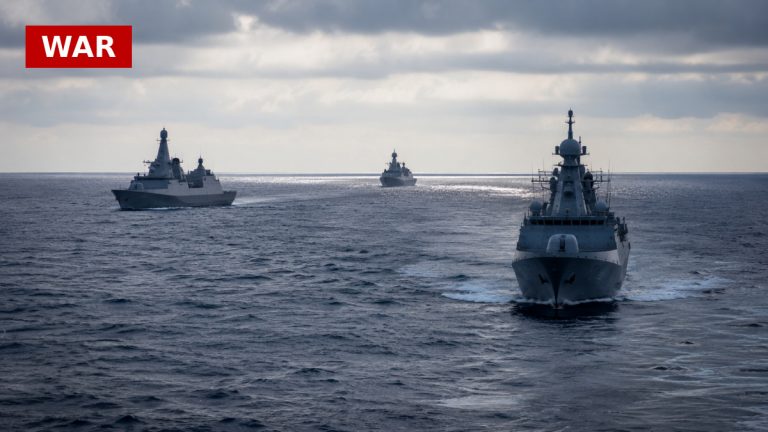
The situation is further complicated by Iran’s strategic control over the Strait of Hormuz, a vital shipping route for global oil supplies. As negotiations continue, any escalation in military actions could disrupt shipping and lead to increased energy prices worldwide. The U.S. has indicated that it may cut off talks if Iran does not comply with inspection agreements, which could exacerbate tensions in an already volatile region.
Moreover, the recent agreement to dilute Iran’s enriched uranium stockpile is a temporary measure that does not address the underlying issues of missile capabilities and regional security. The potential for renewed conflict, especially with ongoing violence in Lebanon, poses a risk not only to the U.S. and Iran but to international stability as a whole.
As the situation evolves, the international community will be closely monitoring the developments. The outcome of these negotiations could reshape the geopolitical landscape and influence energy markets, making it essential for stakeholders to stay informed about the implications of these discussions.
Source: PBS News