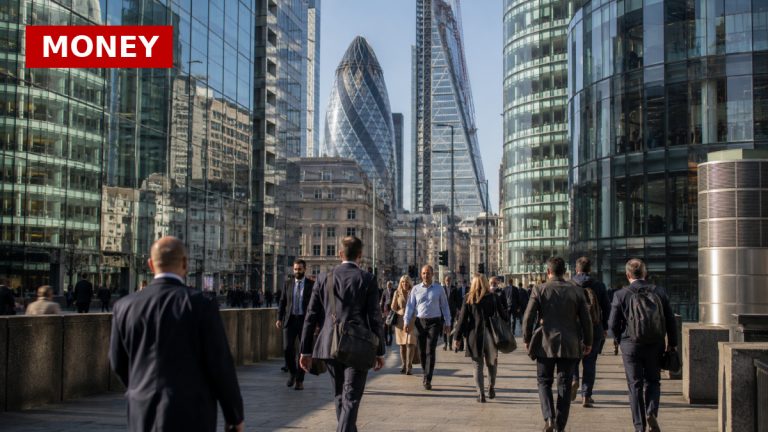
As the UK marks ten years since the Brexit referendum, many voters are expressing regret over their choice to leave the European Union. Promised benefits such as reduced immigration and economic freedom have not materialised as expected. Instead, many businesses have faced significant challenges, with a notable decline in trade and access to European markets, leading to economic shrinkage and job losses.
In Blackpool, a town that heavily supported Brexit, the impact has been particularly harsh. Residents report rising costs of living and a decline in local economic conditions. The loss of European funding has hindered development projects, leaving the community struggling to recover from both Brexit and the pandemic.
Polling indicates that a majority of voters now wish to rejoin the EU, including a substantial portion of those who initially supported leaving. This shift highlights a growing disillusionment with the promises made during the campaign, as many feel misled about the consequences of their vote.
Political analysts describe Brexit as a self-inflicted wound for the UK, suggesting that the long-term effects may continue to shape the nation’s economic and political landscape. As discussions about potential re-entry into the EU gain traction, the future remains uncertain for many who are still grappling with the fallout from their decision.
Source: PBS News