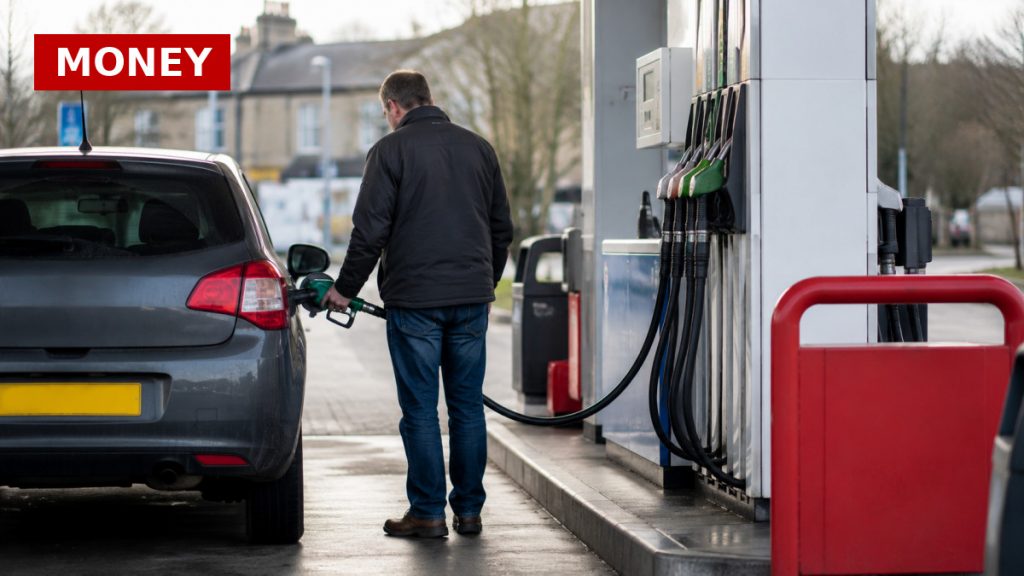
The ongoing conflict in the Middle East, particularly the US-Israel war with Iran, has led to increased pressure on various costs in the UK, notably petrol, energy bills, and food prices. Since the conflict began, petrol prices have surged, with the average cost for filling a family car rising by £14, while diesel has increased by £27. This spike is attributed to volatility in crude oil prices, which are directly influenced by disruptions in production and transportation due to missile strikes and drone attacks in the region.
The mechanism behind these price increases lies in the relationship between wholesale oil prices and retail fuel costs. Analysts indicate that a $10 increase in wholesale oil prices typically raises pump prices by approximately 7p per litre. As transport costs rise, this can lead to higher prices for goods and services, including food, as supermarkets pass on increased transportation expenses to consumers.
For UK households, the financial impact is significant. The Bank of England has projected that average monthly mortgage payments are expected to rise by about £80 over the next three years, affecting over half of mortgage holders. Additionally, energy prices are anticipated to increase sharply this summer, with forecasts suggesting a rise in annual bills for a typical dual-fuel household from £1,641 to £1,850.
Looking ahead, the situation remains fluid. The wholesale energy market’s performance in the coming weeks will be crucial in determining household energy costs from July onwards. A potential ceasefire could mitigate some price increases, but without it, households may face substantial financial pressure as costs continue to escalate.
Sources
BBC News