The recent assessment of Russian military losses in Ukraine reveals a significant shift in the conflict’s dynamics. With Russian casualties reportedly reaching 145,000 this year, including 86,000 killed, the rate of losses has nearly tripled compared to the previous year. This alarming trend not only highlights the challenges facing Russian forces but also suggests a potential turning point in the war, as Ukraine regains territory and momentum.
The implications of these losses extend beyond the battlefield. Russia’s ability to sustain its military efforts is increasingly in question, particularly as its budget deficit has already been exceeded by April 2026. The depletion of gold reserves and reliance on foreign currency are signs of a struggling economy, which could limit Russia’s capacity to replace lost troops and equipment.
For the UK, this situation may influence geopolitical stability in Europe. As the conflict continues, the potential for increased military support to Ukraine from Western nations, including the UK, could rise. This support may take the form of advanced weaponry and training, aimed at bolstering Ukraine’s defensive capabilities against ongoing Russian aggression.
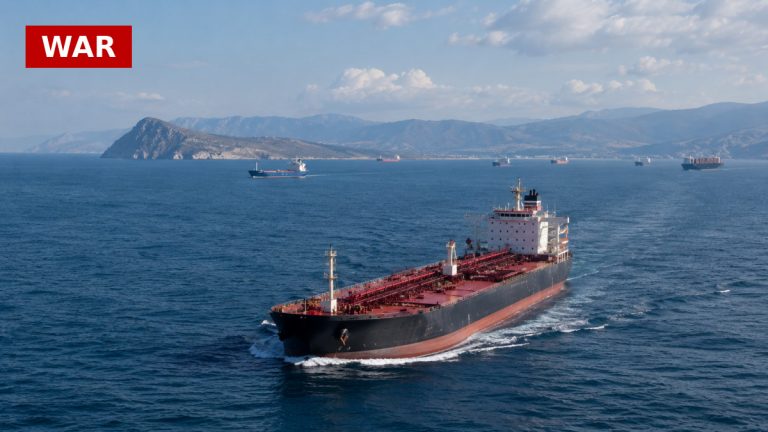
Moreover, the evolving conflict dynamics could affect energy prices and security in Europe. As Ukraine targets Russian oil infrastructure, the ripple effects on global energy markets may lead to fluctuations that impact UK consumers. Keeping an eye on these developments will be crucial for understanding the broader implications of the war on everyday life in the UK.
Source: Al Jazeera