The murder of Henry Nowak has ignited a fierce political debate in the UK, highlighting deep-seated issues around policing and community trust. As politicians grapple with the implications of ‘two-tier policing’ claims, the incident has become a flashpoint for broader societal tensions. This debate is not just about one tragic event; it reflects a growing divide in public perception of law enforcement’s treatment of different communities.
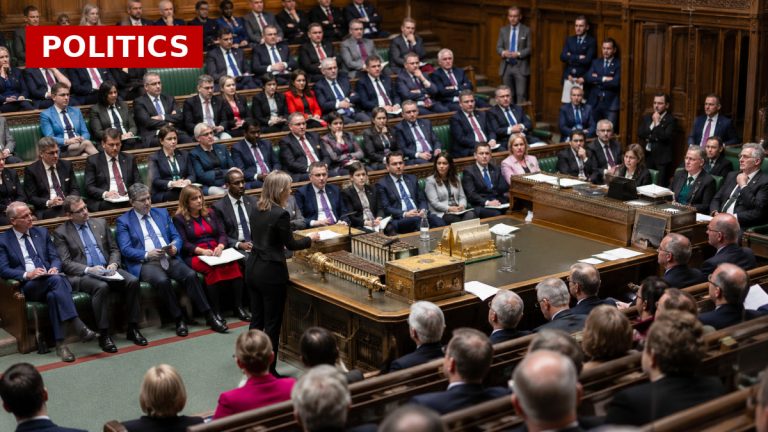
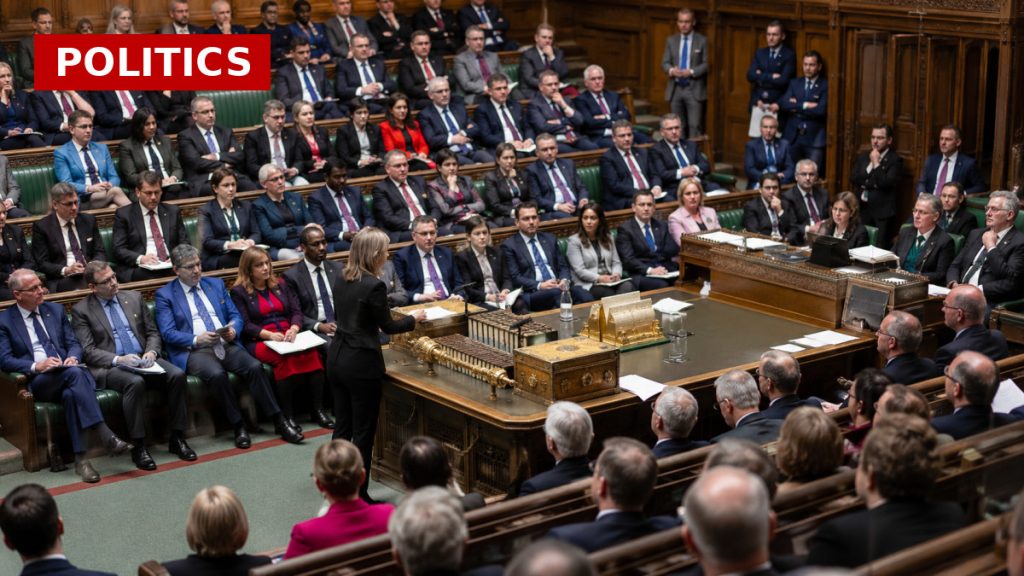
The Nowak family’s experience in Parliament, where they received tributes from MPs, contrasts sharply with the heated exchanges that have erupted in the wake of their son’s death. Figures like Nigel Farage have amplified accusations of biased policing, suggesting that public trust is eroding. This rhetoric, however, has been met with pushback from officials like Hampshire’s police commissioner, who warns that such claims could exacerbate divisions rather than foster understanding.
The historical context of these discussions is crucial. Previous incidents, including violent protests linked to misinformation about ethnic minorities, have shown how quickly public sentiment can turn. The narrative surrounding ‘two-tier policing’ has gained traction despite a lack of evidence, fueled by social media and political opportunism. This has created a volatile environment where perceptions can overshadow facts, leading to potential unrest.
As the political landscape shifts, the implications of the Nowak murder extend beyond the immediate tragedy. It raises questions about how policing is perceived across different communities and the responsibility of politicians to address these concerns without inflaming tensions further. The ongoing discourse may shape future policies and community relations, making it a pivotal moment in British politics.
Source: BBC News