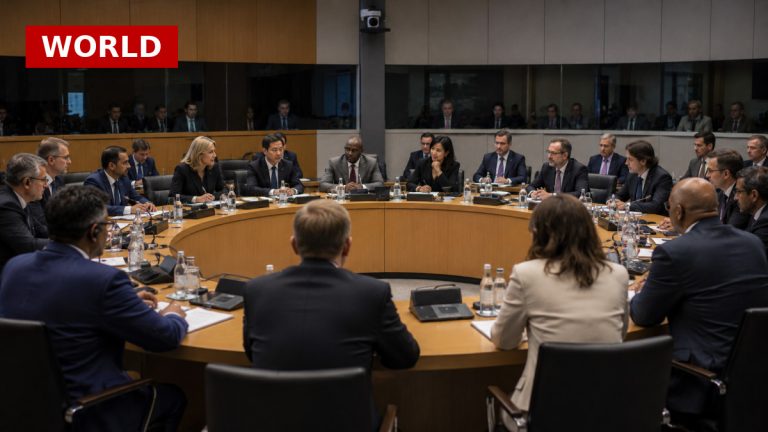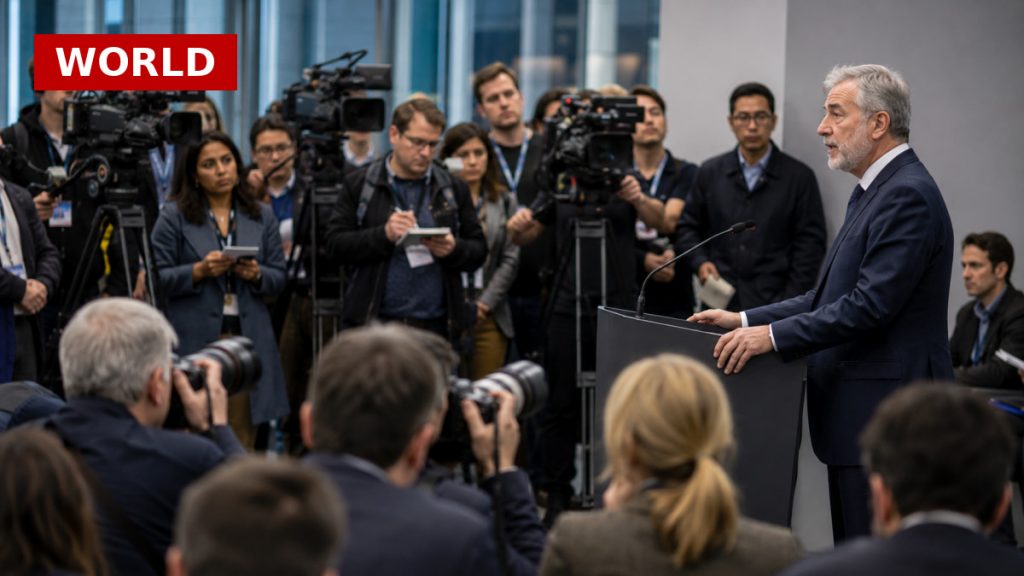
Israel and Iran have resumed military exchanges, marking a significant escalation in their ongoing conflict. This renewed violence comes just two months after a U.S.-brokered ceasefire, raising concerns about a potential return to full-scale war in the Middle East. The Iranian military has announced a temporary halt to offensive operations, but the situation remains precarious as both nations continue to target each other’s military assets.
The implications of this renewed conflict extend beyond immediate military concerns. The ongoing hostilities threaten to disrupt global oil supplies, particularly through the strategically vital Strait of Hormuz, where Iran has maintained a strong presence. Any significant closure of this passage could lead to skyrocketing energy prices, impacting economies worldwide, including the UK, where rising fuel costs have already strained household budgets.
Moreover, the conflict has drawn in regional players, with Yemen’s Houthi rebels threatening to target Israeli interests, further complicating the geopolitical landscape. As diplomatic efforts to salvage the ceasefire continue, the lack of progress raises the spectre of a broader regional war, which could have dire consequences for international stability and security.
As tensions escalate, the potential for miscalculation increases, making it crucial for global leaders to engage in proactive diplomacy. The situation serves as a stark reminder of the fragile nature of peace in the region and the far-reaching effects that conflicts can have on everyday life, from energy prices to international relations.
Source: PBS News