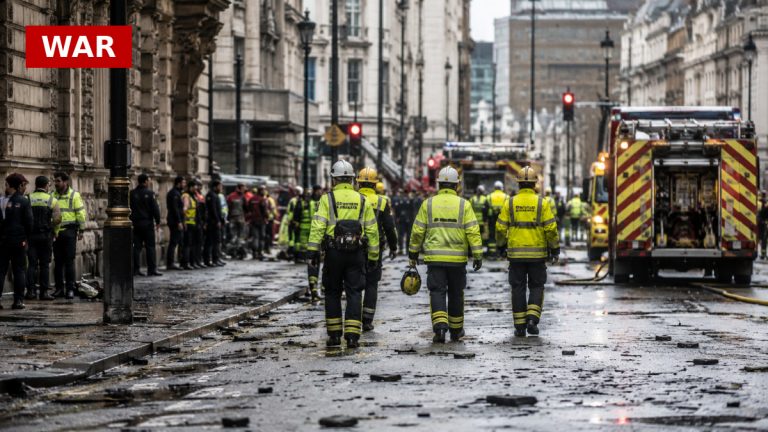
A brutal stabbing in Northern Ireland has ignited two nights of violent riots, revealing deep-seated tensions surrounding immigration. The attack, involving a Sudanese asylum seeker, has been linked to rising anti-migrant sentiments, exacerbated by inflammatory rhetoric from far-right groups. As masked individuals targeted homes believed to house immigrants, the violence has raised alarms about community safety and social cohesion.
The aftermath of the stabbing has not only led to physical injuries but also significant property damage, with over two dozen families displaced. This incident highlights a troubling trend where violent acts are increasingly politicised, drawing attention to the intersection of crime and immigration debates in the UK. The government has condemned the riots as ‘racist thuggery,’ yet the underlying issues remain unaddressed.
Social media has played a pivotal role in mobilising protests, with far-right activists leveraging platforms to amplify their messages. This reflects a broader pattern of online discourse influencing real-world actions, particularly against vulnerable communities. The situation underscores the urgent need for dialogue and policy reform to address the root causes of such violence.
As tensions simmer, the potential for further unrest looms, particularly if political leaders fail to engage with the communities affected. The implications of this violence extend beyond immediate safety concerns, threatening to entrench divisions within society and complicate future immigration policies.
Source: PBS News