The ongoing negotiations between the US and Iran are pivotal, with potential implications for global energy markets and regional stability. Central to the discussions is Iran’s nuclear program, particularly its enriched uranium stockpile. The US seeks a long-term moratorium on enrichment, while Iran proposes a shorter pause, viewing its uranium as leverage in the talks. This disagreement highlights the complexities of reaching a consensus that satisfies both parties.
Economic factors also play a crucial role, with Iran demanding the release of billions in frozen assets as part of any agreement. The US, however, is cautious, preferring to release funds gradually and only for humanitarian purposes. This tension reflects broader concerns about how any financial relief could impact US allies in the Gulf, especially given recent military escalations.
Additionally, the involvement of third-party nations like Russia and China could reshape the dynamics of the negotiations. Their potential roles as mediators or custodians of Iran’s enriched uranium introduce new layers of complexity, which could either facilitate a deal or further complicate the discussions.
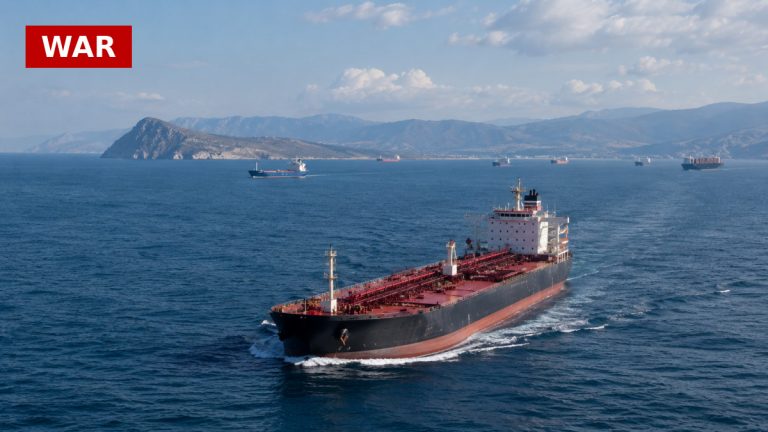
As these talks progress, the normalization of shipping through the Strait of Hormuz remains a critical issue. Disruptions in this vital waterway have already affected global trade and energy prices, underscoring the urgency of reaching an agreement that stabilizes the region and alleviates economic pressures worldwide.
Source: DW News