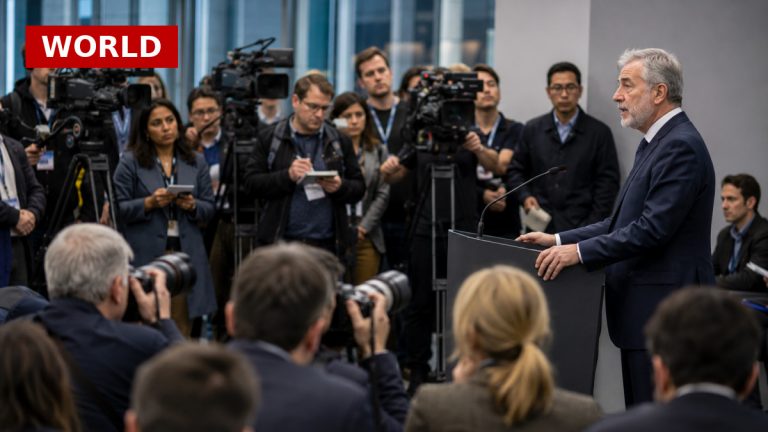
Recent discussions suggest that the U.S. and Iran are nearing a potential agreement, but the details remain murky. Experts warn that while both sides express a desire for a deal, the nuances of what is being negotiated differ significantly. This discrepancy raises concerns about the implications for regional stability and the future of Iran’s nuclear ambitions.
The stakes are high, particularly for Iran, which views its nuclear program as a vital national asset. Any agreement that appears to undermine this program could provoke domestic backlash, complicating the negotiation process. Moreover, the Iranian regime is keen on ensuring that any financial relief from sanctions is perceived as a victory rather than a concession.
On the U.S. side, the focus seems to be on humanitarian access to funds rather than outright sanctions relief. This distinction is crucial, as it reflects a broader strategy to manage Iran’s nuclear capabilities without escalating military tensions. However, the potential for miscommunication could derail progress, as both nations have historically struggled to align their narratives.
As these negotiations unfold, the implications for Middle Eastern geopolitics could be profound. A successful agreement might ease tensions, but failure could lead to increased hostilities, particularly with Israel’s ongoing military concerns in the region. The coming weeks will be critical in determining the trajectory of these discussions and their broader impact on international relations.
Source: PBS News