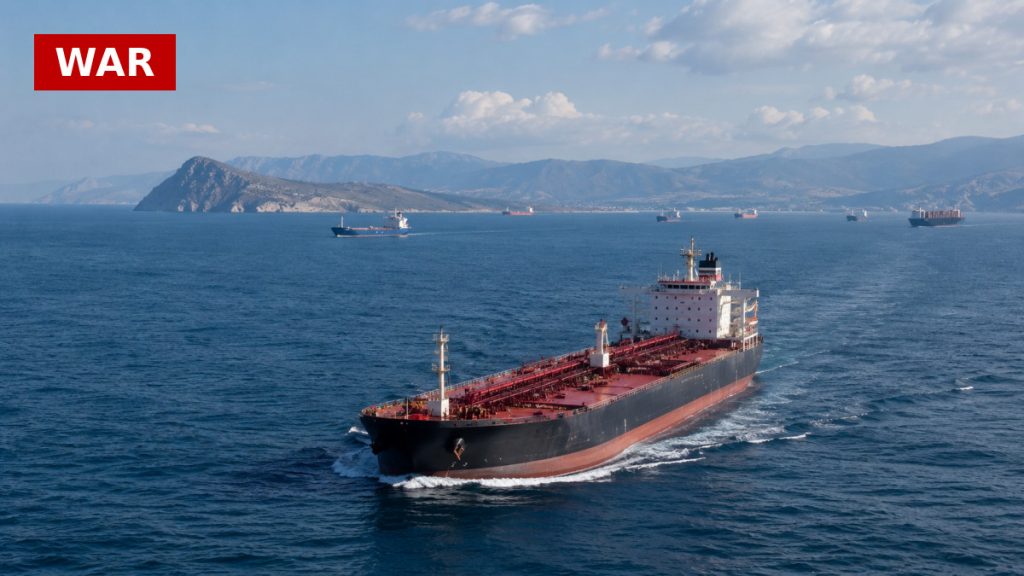
The ongoing war in Iran has led to significant disruptions in global oil and gas supplies, particularly through the Strait of Hormuz, which is crucial for transporting about a fifth of the world’s energy. As a result, energy prices have surged, benefiting companies involved in oil trading and production, while simultaneously straining household budgets worldwide.
The conflict has created a volatile market environment, with major oil companies like BP and Shell reporting record profits due to their trading divisions capitalising on price fluctuations. This means that while some firms are thriving, the average consumer in the UK is facing higher energy bills, contributing to the overall cost of living crisis.
For UK households, this translates into increased costs for fuel and energy, as the ripple effects of rising oil prices are felt across various sectors. The surge in petrol prices is also driving demand for electric vehicles, as consumers seek alternatives to mitigate the impact of soaring fuel costs.
Looking ahead, consumers should monitor energy prices closely, as further escalations in the conflict could lead to even higher costs. Additionally, the shift towards renewable energy
Sources
BBC News