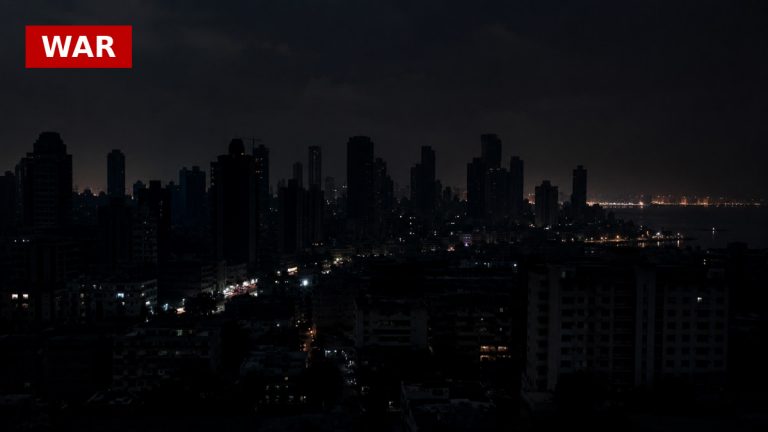
After nearly three months of a nationwide internet blackout, Iran has begun restoring internet access, a significant development given the context of ongoing military conflict. This restoration, however, is partial and may not be stable, as previous experiences with internet blackouts in Iran suggest a complicated and slow recovery process.
For the UK, this situation highlights the fragility of internet access in conflict zones and raises concerns about the implications for global cybersecurity. As countries increasingly rely on digital communication, disruptions in one region can have ripple effects worldwide, affecting everything from international business operations to personal communications.
Moreover, the Iranian government’s decision to cut off internet access was aimed at preventing surveillance and cyber-attacks during a time of heightened military tension. This raises questions about how governments might respond to similar situations in the future, potentially leading to more widespread internet restrictions in conflict scenarios.
As the situation develops, it will be crucial for observers to monitor how the restoration unfolds and whether it will lead to a more open internet environment in Iran or if further restrictions will follow. The implications for digital rights and freedoms in conflict-affected areas are profound and warrant close attention.
Source: BBC News