The recent downing of a US Apache helicopter by Iran has escalated tensions in an already volatile region. President Trump has vowed a military response, which could disrupt the fragile ceasefire that has been in place since April. This incident not only threatens to reignite conflict but also poses significant risks to global markets already shaken by ongoing hostilities.
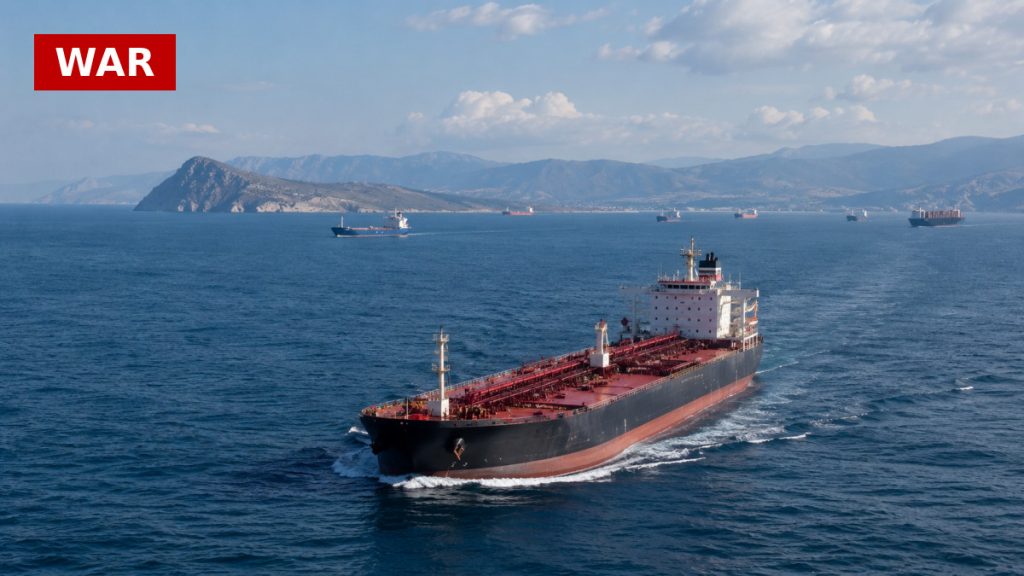
The helicopter’s crash near the Strait of Hormuz, a critical shipping route, highlights the strategic importance of this area. With Iran’s military actions affecting shipping lanes, energy prices are likely to rise further, impacting household budgets and the cost of goods. The economic ramifications could be felt globally, as the conflict has already contributed to increased costs for everyday items.
Moreover, the use of a drone boat for personnel recovery marks a shift in military tactics, indicating a potential increase in US military presence in the region. This change could lead to further confrontations, as both Iran and Israel have shown readiness to engage militarily, complicating the ceasefire negotiations.
As the situation develops, the implications for international relations and economic stability will be significant. The potential for a military response from the US could alter the dynamics of the conflict, affecting not just the involved nations but also global economic stability.
Source: Euronews