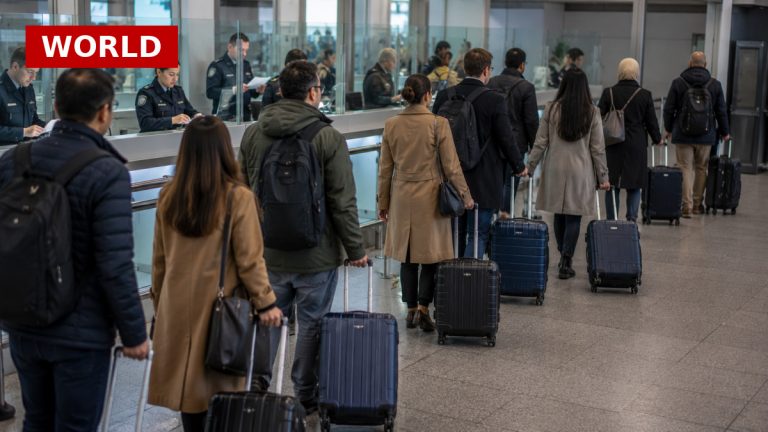
In 2025, nearly 15 million displaced people returned to their home countries, marking the largest surge of returns recorded by the UN. This significant movement, however, is not without its challenges. Many returnees face dire conditions, including violence and instability, raising concerns about their safety and the sustainability of their reintegration into society.
For instance, in Afghanistan, the return of nearly two million refugees has been largely driven by restrictive policies in host countries, rather than a genuine desire to return. Many families, like that of Maryam, a widow who returned with her sons, find themselves without jobs or homes, struggling to meet basic needs. Reports indicate that 80% of returnee households skip meals daily, highlighting the severe economic hardships they face.
Similarly, the return of Syrians has surged following the fall of the al-Assad regime, with many returning to a country that has drastically changed. Hiam, who returned after 12 years abroad, described the emotional and financial exhaustion of coming back to a homeland that no longer resembles the one she left. The high cost of living in host countries often compels refugees to return, despite the risks involved.
As the world observes World Refugee Day, the situation underscores the complexities of forced displacement and the urgent need for international support to ensure safe and sustainable returns. The UN warns that the rapid pace of these returns could further destabilise already fragile regions, necessitating a coordinated response to address the underlying issues that force people to flee in the first place.
Source: Al Jazeera