As the US and Iran prepare for critical negotiations in Switzerland, Iran’s warning to halt oil flow signals escalating tensions. This development comes after a memorandum of understanding was signed, aiming to address the ongoing US-Israel conflict that has pushed oil prices above $100 per barrel, impacting global markets.
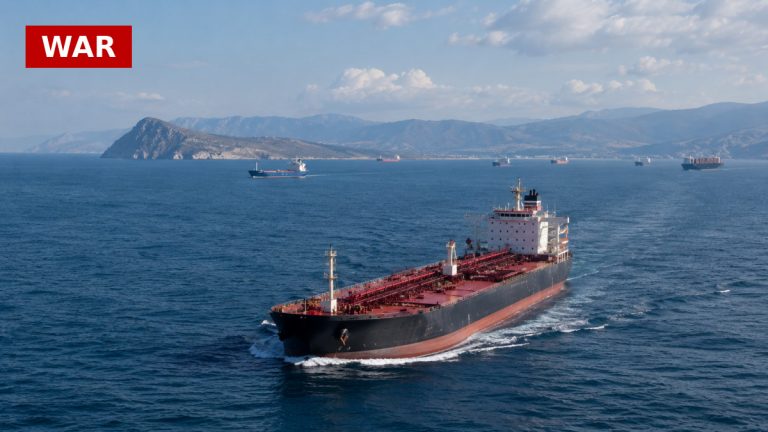
The threat to close the Strait of Hormuz, a vital shipping lane, raises concerns about potential disruptions in oil supply, which could further spike prices and affect economies reliant on stable energy costs. The Iranian military’s assertion of closing the strait in response to Israeli actions in Lebanon adds a layer of complexity to the negotiations.
With the US Vice President and Iranian officials present, the stakes are high. The outcome of these talks could redefine energy security in the region and influence international relations. The involvement of Qatar and Pakistan as mediators underscores the geopolitical ramifications of this conflict.
As discussions unfold, the implications for global oil markets and regional stability remain uncertain. Observers will be watching closely to see how Tehran’s actions may shape the future of its oil exports and the broader Middle Eastern geopolitical landscape.
Source: Al Jazeera