Delegations from the United States, Iran, Qatar, and Pakistan are gathering in Switzerland for a pivotal summit aimed at stabilising the Middle East following recent conflicts. The discussions will focus on a 60-day cease-fire agreement, but the fragile nature of this truce raises concerns about its longevity and effectiveness.
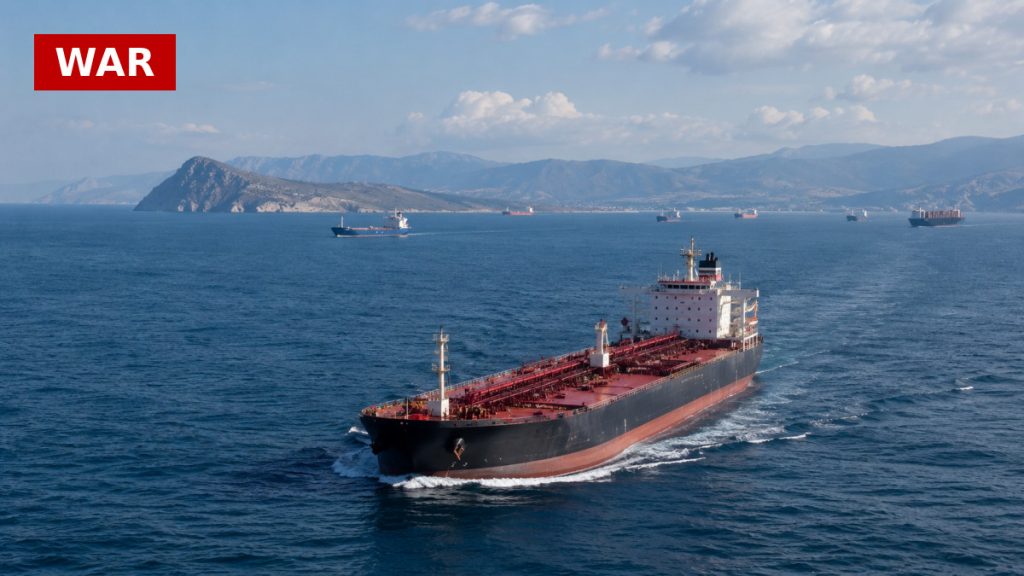
The summit’s agenda is complex, addressing not only Iran’s nuclear ambitions but also regional tensions, particularly in Lebanon and the strategic Strait of Hormuz. The involvement of Qatar and Pakistan as mediators highlights a unique coalition, yet the absence of direct representation from Israel and Lebanon suggests underlying tensions that could disrupt progress.
As the cease-fire faces immediate challenges, including recent violence in Lebanon, the stakes are high. Both the US and Iran have expressed a desire to avoid a return to full-scale conflict, but the ongoing disputes over maritime security and military actions could undermine diplomatic efforts.
The next few weeks are crucial. The outcome of these talks may either lead to a broader regional reset or exacerbate existing tensions, making it essential for all parties to navigate this delicate situation carefully.
Source: Radio Free Europe/Radio Liberty