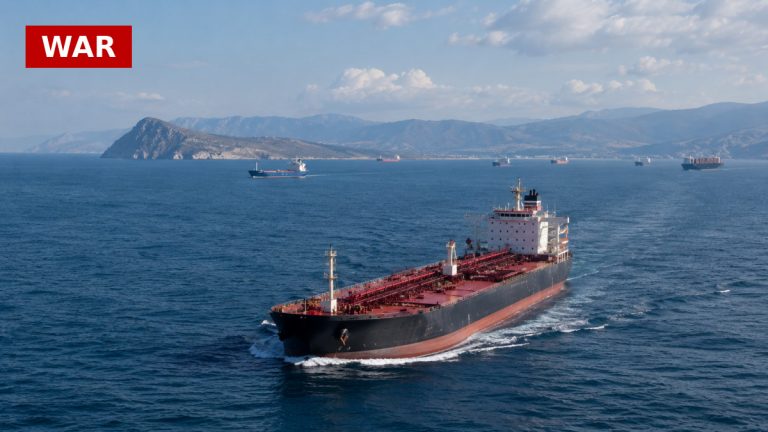
US Vice President JD Vance has arrived in Switzerland for high-stakes negotiations with Iranian officials, aiming to solidify a ceasefire and address Iran’s nuclear ambitions. This meeting comes amid escalating tensions, particularly following Iranian threats to close the Strait of Hormuz in response to Israeli actions in Lebanon. The outcome of these talks could significantly impact global oil supplies, as the strait is a vital conduit for energy transport.
The discussions are not just about immediate ceasefire terms; they also encompass broader geopolitical implications. Iran’s insistence on addressing hostilities in Lebanon reflects its desire to maintain regional influence and support its allies, such as Hezbollah. The US, on the other hand, is keen to focus on nuclear issues, which could lead to a complex negotiation dynamic.
As both sides prepare to engage, the stakes are high. A failure to reach an agreement could exacerbate tensions in the Middle East, potentially leading to further military actions and disruptions in global markets. Conversely, a successful negotiation might pave the way for a more stable regional environment and improved relations between the US and Iran.
The next few days will be critical as both delegations aim to bridge their differences. The implications of these talks extend beyond immediate military concerns, influencing energy markets and international relations for years to come.
Source: Al Jazeera