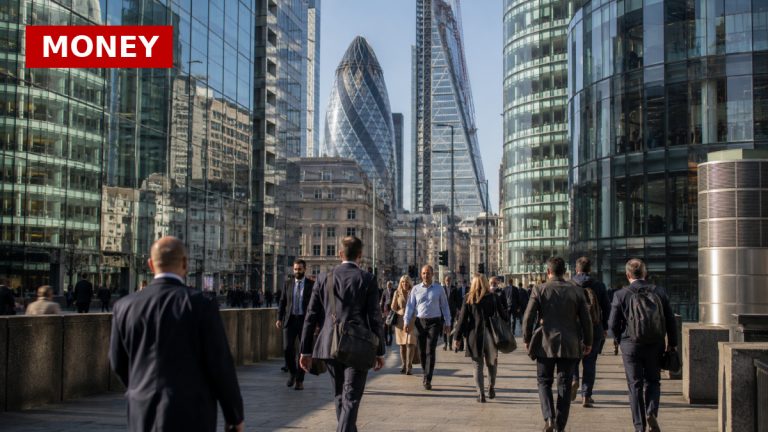
Ten years after the Brexit referendum, the UK continues to grapple with its consequences. While proponents envisioned a revitalised economy, the reality has been a gradual economic decline, with estimates suggesting the economy is 4% to 8% smaller than it would have been had the UK remained in the EU. This has led to significant implications for public services, including the NHS, which was promised an influx of funding that has not materialised.
Trade relationships have also suffered, with businesses facing increased barriers when dealing with EU partners. Although there are no tariffs on goods, the introduction of non-tariff barriers has complicated trade, leading to frustrations among merchants. The anticipated trade deals, particularly with the US, have largely failed to come to fruition, further exacerbating economic challenges.
On the immigration front, Brexit has altered the landscape significantly. While net migration from the EU has decreased, there has been a surge in arrivals from non-EU countries, driven by labour shortages in key sectors. This shift has sparked political tensions, particularly regarding illegal crossings, which have become a focal point of public discontent and protest.
The political ramifications of Brexit are profound, with traditional party loyalties eroding and new political movements gaining traction. As dissatisfaction grows, many voters are turning to alternative parties, indicating a potential shift in the UK’s political landscape as it continues to navigate the complexities of its post-Brexit identity.
Source: PBS News