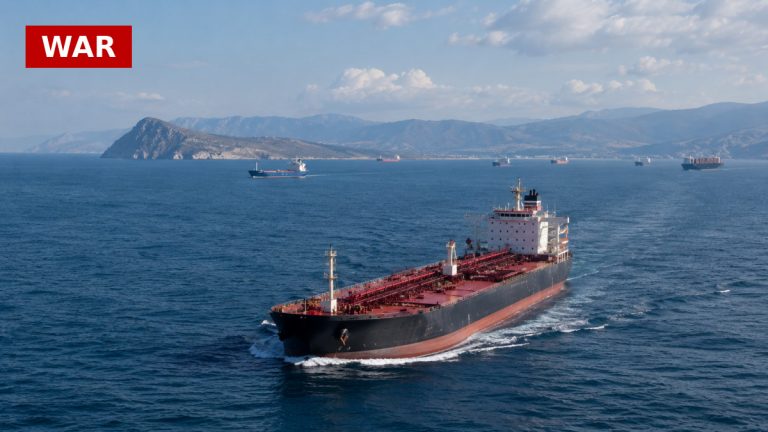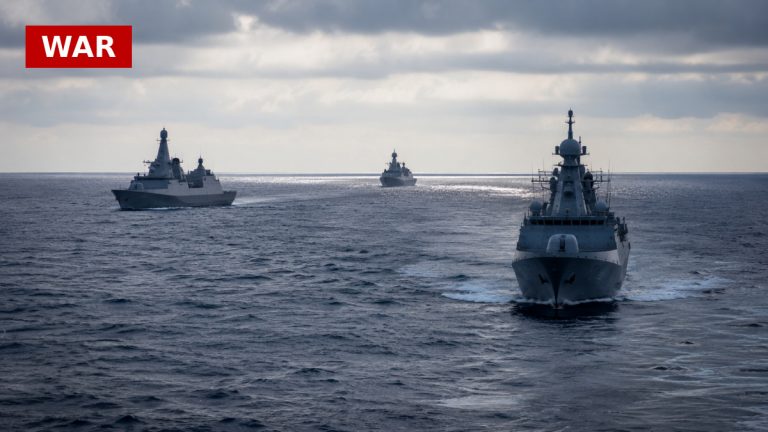
U.S. Vice President JD Vance’s recent meetings with Iranian officials in Switzerland highlight a critical moment in U.S.-Iran relations. While Vance seeks to solidify an interim agreement aimed at curbing Iran’s nuclear ambitions and ensuring the Strait of Hormuz remains open, President Trump’s concurrent threats to Iran complicate these diplomatic efforts. Trump’s warnings about potential military action against Iran’s support for Hezbollah and its control over the strategic waterway could undermine the fragile negotiations.
The talks, which included discussions on Iran’s nuclear program and regional security, are set against a backdrop of escalating tensions in Lebanon, where Iranian-backed Hezbollah is engaged in conflict with Israel. This situation raises concerns about the stability of the region and the potential for broader military engagement, which could have significant implications for global oil markets and international security.
As the U.S. negotiators push for commitments from Iran, the Iranian delegation’s response to Trump’s threats indicates a readiness to defend their position. The ongoing dialogue is crucial, as it could lead to a more stable Middle East or, conversely, escalate into further conflict if negotiations falter.
The outcome of these discussions will not only affect U.S.-Iran relations but also have ripple effects on global energy prices and security dynamics, particularly in light of the vital role the Strait of Hormuz plays in international oil trade. The next few weeks will be pivotal in determining whether a new chapter in U.S.-Iran relations can be written or if tensions will escalate once again.
Source: PBS News