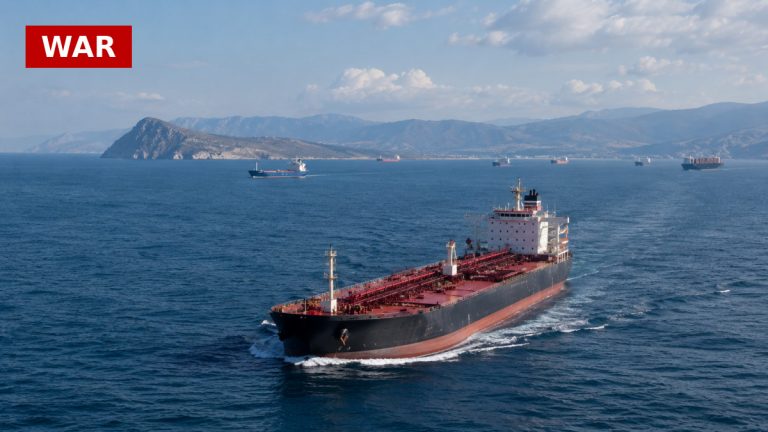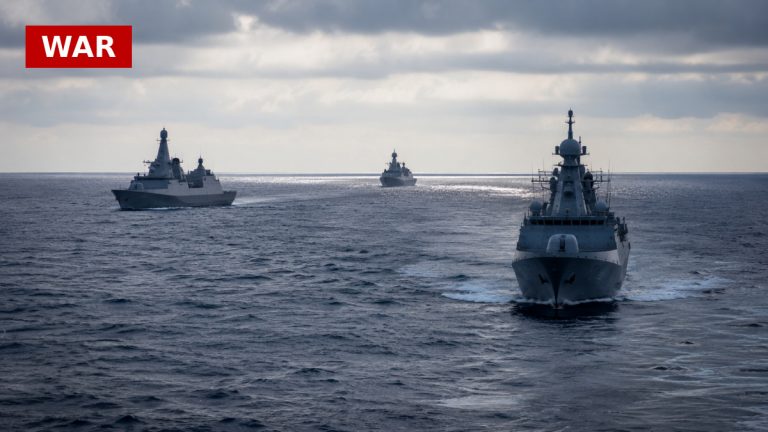
U.S. Vice President JD Vance’s recent meeting with Iranian officials in Switzerland marks a pivotal moment in U.S.-Iran relations. The discussions aim to solidify an interim agreement that could reshape the geopolitical landscape, particularly concerning Iran’s nuclear ambitions and the stability of the Strait of Hormuz, a crucial oil transit route.
The urgency of these talks is underscored by the ongoing conflict in Lebanon involving Hezbollah, which poses a significant threat to the negotiations. A successful outcome could not only ease tensions in the region but also allow Iran to access billions in frozen assets, fundamentally altering its economic landscape.
However, skepticism remains high on both sides. Iran’s commitment to its nuclear program and the U.S. insistence on limiting its military capabilities create a complex dynamic. The outcome of these negotiations could have lasting implications for global oil markets and security, especially if Iran resumes its oil exports freely.
As the U.S. pushes for a new approach, the stakes are high. The next 60 days will be critical in determining whether this diplomatic effort can lead to a more stable Middle East or if tensions will escalate once again, impacting not just regional but global security.
Source: PBS News