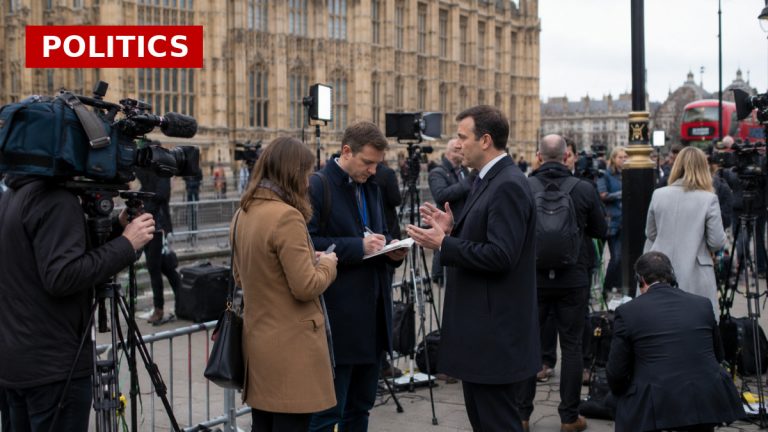
Keir Starmer’s resignation as Prime Minister marks a significant turning point in UK politics, potentially reshaping the landscape ahead of the next general election. His departure, driven by internal dissatisfaction within the Labour Party, highlights a growing instability that could affect voter confidence and party unity.
This resignation is not just another leadership change; it signals a deeper crisis within the Labour Party, which has seen rapid turnover in leadership over the past decade. With Starmer stepping down, the party faces the challenge of rallying support and presenting a cohesive vision to the electorate, especially as the Conservatives remain a formidable opponent.
The implications extend beyond party politics. The uncertainty surrounding the leadership transition could delay critical policy decisions and affect public services, as the new leader will need time to establish authority and direction. This could lead to a period of stagnation in governance, impacting everyday life for citizens.
As the Labour Party prepares for a leadership contest, the choice of Starmer’s successor will be crucial. The new leader must address both internal divisions and external pressures, aiming to restore public trust and navigate the complexities of a changing political environment. The outcome of this transition will likely shape the future of UK politics for years to come.
Source: PBS News