Andy Burnham is poised to replace Rachel Reeves as Chancellor if he becomes Prime Minister, a move that could reshape Labour’s economic strategy. This potential shift is significant as it suggests a departure from current fiscal policies, which have faced criticism for their lack of growth focus. Burnham’s leadership could usher in a new approach to managing the UK’s substantial debt, which has been exacerbated by high borrowing rates.
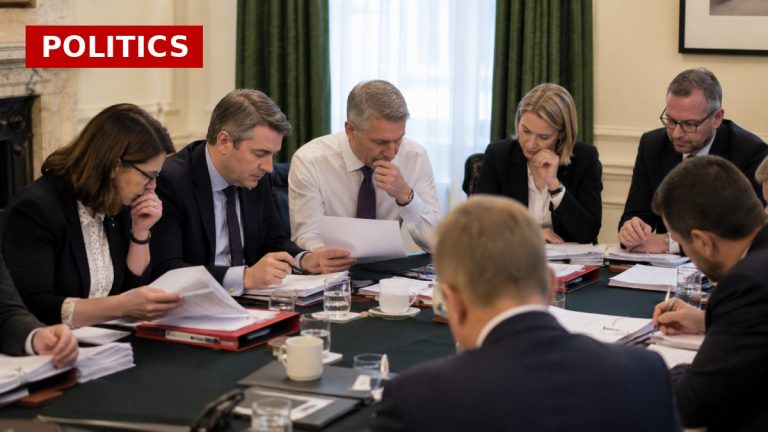
The implications of this change extend beyond party politics; it could affect household finances and public services. With economic experts highlighting the need for difficult decisions on taxation and welfare reform, Burnham’s cabinet choices will be closely scrutinised. His discussions with former Defence Secretary John Healey indicate a commitment to addressing military funding, which has been a contentious issue within the party.
As Burnham prepares for a likely entry to No 10, the economic landscape he inherits will demand immediate attention. The decisions made in the early days of his leadership could set the tone for Labour’s approach to economic recovery and public spending. This transition may also influence public perception of Labour’s capability to manage the economy effectively.
In summary, Burnham’s ascension could mark a pivotal moment for Labour, with potential shifts in economic policy that resonate through various sectors, impacting everyday life for many Britons.
Source: BBC News