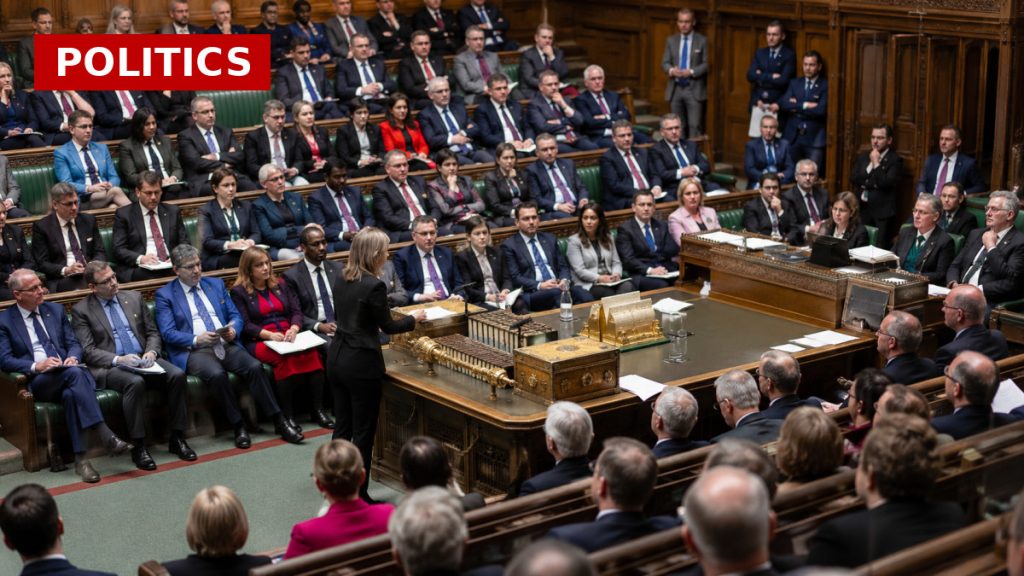
US President Donald Trump’s recent clash with Senators over military action in Iran underscores a significant shift in congressional sentiment. The Senate’s passage of a resolution urging Trump to end hostilities reflects rising bipartisan skepticism about the ongoing conflict, which many lawmakers now question as costly and ineffective. This rare rebuke from within his own party indicates a potential fracture in Republican support for Trump’s foreign policy, particularly as public opinion turns against the war.
The resolution, while largely symbolic, signals a growing urgency among lawmakers to assert their role in military decisions, especially as the conflict drags on without clear objectives. Trump’s response, which included canceling a housing bill signing ceremony, suggests he may prioritize his political agenda over legislative cooperation, potentially alienating key Republican allies.
As negotiations with Tehran continue, the implications of this Senate vote could complicate efforts to secure a lasting peace agreement. With many Americans expressing doubts about the war’s value, the administration faces increasing pressure to justify military actions and seek diplomatic solutions.
This situation highlights a critical moment in US politics, where the balance of power between the executive and legislative branches is being tested. The outcome of these tensions may shape future military engagements and redefine the role of Congress in authorizing military action.
Source: DW News