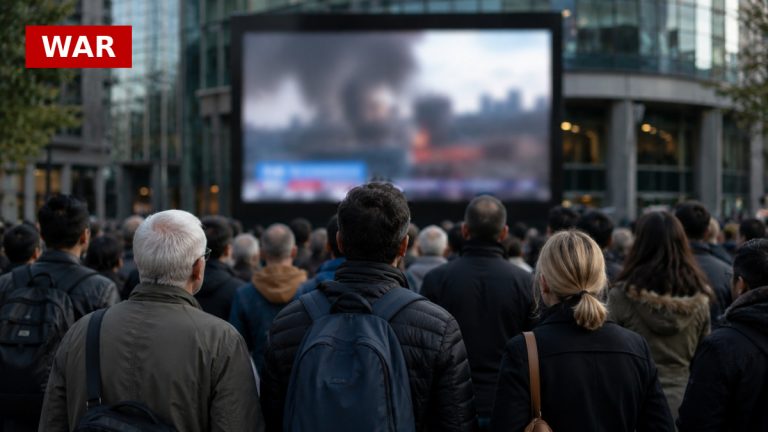
Pro-Russian social media accounts have falsely accused Ukraine of causing a fire at the Dormition Cathedral in Kyiv, a UNESCO World Heritage site. This misinformation emerged following a drone strike attributed to Russia, which severely damaged the cathedral’s roof and façade. The images shared as evidence by these accounts were later identified as AI-generated, misleading the public about the true nature of the incident.
The implications of this disinformation campaign are significant. By shifting blame onto Ukraine, pro-Kremlin narratives aim to undermine international support for Ukraine while fostering division among its allies. Such tactics can influence public perception and policy decisions, particularly in countries where misinformation can sway political sentiment.
Moreover, the incident highlights vulnerabilities in how information is disseminated online. The rapid spread of manipulated images raises concerns about the effectiveness of fact-checking and the public’s ability to discern truth from falsehood. As misinformation becomes more sophisticated, it poses a challenge for media literacy and critical thinking among audiences.
This situation serves as a warning about the potential for AI-generated content to be weaponized in information warfare. As technology evolves, so too does the landscape of misinformation, necessitating vigilance from both the public and authorities to combat these narratives effectively.
Source: France 24