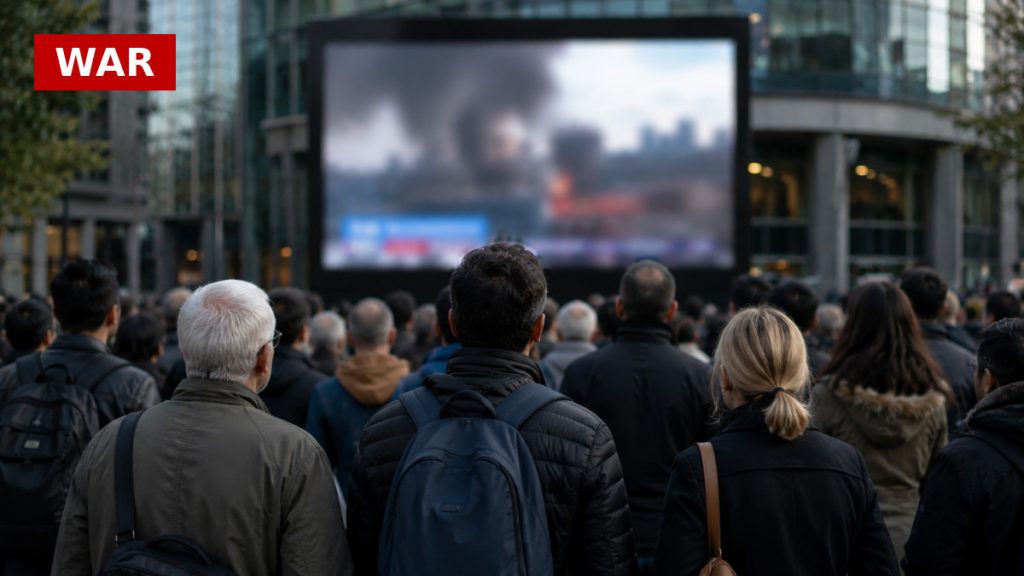
Recent claims circulating on social media allege that Ukrainian President Volodymyr Zelenskyy was killed in a Russian airstrike. However, these rumors have been debunked, revealing the extent of disinformation tactics employed during the ongoing conflict. The viral posts included a video of an explosion that was misidentified as a recent attack in Ukraine, but it actually depicted a 2015 incident in Tianjin, China.
The spread of these false claims highlights a troubling trend in the use of generative AI to create convincing yet misleading content. Analysts note that such disinformation often spikes following significant military actions, aiming to manipulate public perception and sow confusion. In this case, the rumors emerged just after Ukraine launched attacks on Russian targets, suggesting a strategic timing to undermine morale.
Moreover, the accounts disseminating these rumors exhibit characteristics typical of bot networks, sharing identical posts and phrases. This orchestrated effort underscores the vulnerabilities in information dissemination on social media platforms, where emotionally charged content can easily gain traction.
As the conflict continues, the persistence of these disinformation campaigns poses a significant challenge for both public understanding and international relations. The ability to discern fact from fiction becomes increasingly crucial in a landscape where misinformation can have real-world consequences.
Source: DW News