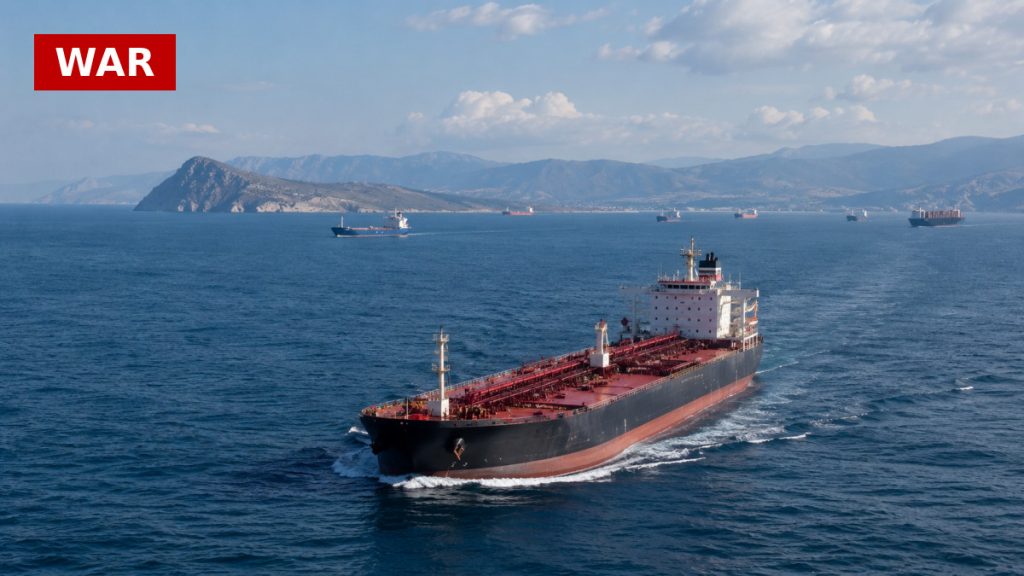
The recent U.S. strikes on Iran mark a significant escalation in tensions, particularly affecting global shipping routes. The drone attack on a cargo ship in the Strait of Hormuz, which the U.S. claims violated a ceasefire, has disrupted a fragile peace process aimed at stabilising the region. This incident not only jeopardises ongoing negotiations but also raises concerns about the safety of maritime operations in a crucial trade corridor.
As the U.S. military targets Iranian missile and drone sites, the implications for international shipping are profound. The Strait of Hormuz is a vital passage for oil and goods, and any disruption can lead to increased shipping costs and delays. Analysts note that the attack has already slowed the pace of vessel transits, which had recently shown signs of normalisation after months of conflict.
Moreover, the situation highlights vulnerabilities in maritime security, as Iran continues to assert control over the strait. The U.S. and its allies may need to reconsider their strategies to ensure safe passage for commercial vessels, especially as Iran’s actions could embolden further aggression.
The broader economic impact could be significant, with potential ripple effects on global oil prices and supply chains. As negotiations continue, the stakes are high, and the international community will be watching closely to see how this conflict unfolds and what it means for future maritime operations.
Source: PBS News