Recent drone attacks by Iran on Bahrain and a cargo ship in the Strait of Hormuz highlight the precarious state of regional security. These incidents follow U.S. airstrikes aimed at Iranian positions, indicating a potential escalation in hostilities. The Strait, a crucial passage for global oil and gas supplies, is now a flashpoint for further conflict, complicating ongoing negotiations between the U.S. and Iran.
The U.S. military’s response to Iran’s aggression underscores the fragile ceasefire that has been in place. With both sides negotiating terms to prevent further violence, the recent attacks may jeopardize these discussions, particularly regarding Iran’s nuclear ambitions and maritime control. The U.S. has emphasized that any violence will be met with force, raising the stakes for all parties involved.
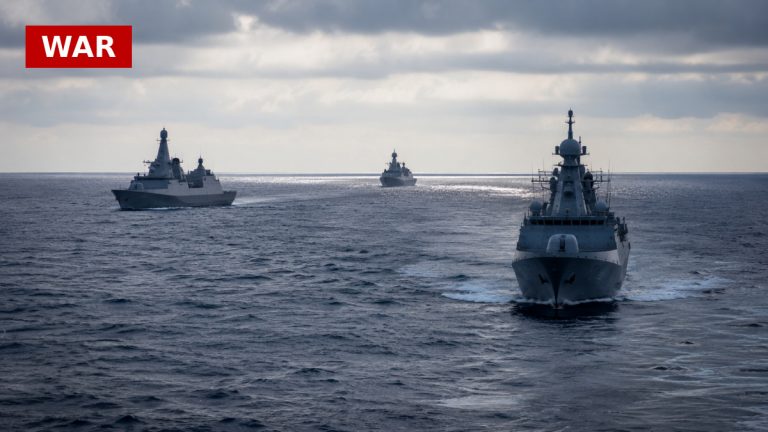
Bahrain, a key U.S. ally in the region, has condemned the drone strikes as a direct threat to its security. This situation not only affects Bahrain but also poses risks to international shipping routes, as the U.S. Navy expands maritime operations to ensure safe passage through the Strait. The potential for increased military presence could lead to further confrontations with Iran, which has asserted its authority over the waters.
As tensions rise, the implications for global oil markets and regional stability are significant. The ongoing conflict could disrupt supply chains and elevate energy prices, affecting economies far beyond the Middle East. The situation remains fluid, with the possibility of further military engagements looming as both sides navigate this volatile landscape.
Source: PBS News