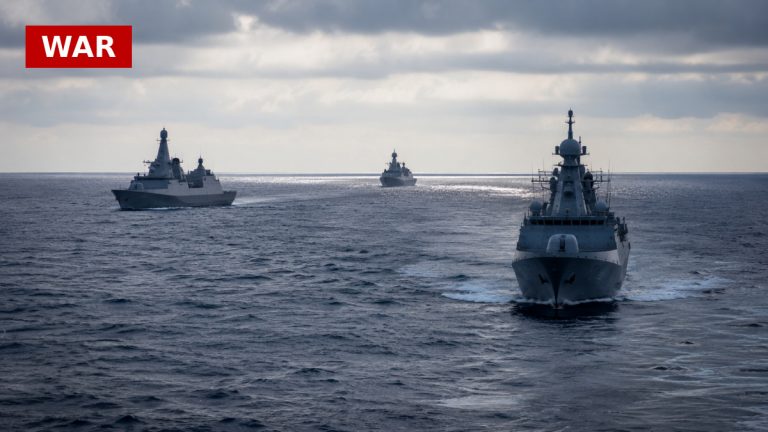
Recent drone and missile strikes by Iran against Bahrain and Kuwait have escalated tensions in the Gulf, undermining a fragile interim peace agreement with the US. This violence comes amid efforts to reopen the strategically vital Strait of Hormuz, a key shipping route for global oil supplies, without Iran’s oversight. The US has responded with strikes on Iranian military facilities, raising fears of a broader conflict.
The situation is precarious as both nations face domestic pressures to maintain a ceasefire while simultaneously engaging in aggressive posturing. Iran’s actions appear to be a strategic move to assert control over the Strait of Hormuz, which could have significant implications for global oil prices and shipping routes. The US military’s involvement aims to counter Iranian aggression, but it risks further destabilizing the region.
Observers note that Iran’s threats to shipping are not just about immediate military objectives but also serve as leverage in negotiations with the US and as a means to intimidate neighboring countries. The ongoing conflict has already led to blockades affecting hundreds of vessels, contributing to fluctuations in oil prices and economic uncertainty worldwide.
As negotiations continue, the potential for a complete halt to talks looms large, especially with the US President hinting at military action. The outcome of this conflict could reshape regional dynamics and impact global energy markets, making it crucial for stakeholders to monitor developments closely.
Source: The Guardian