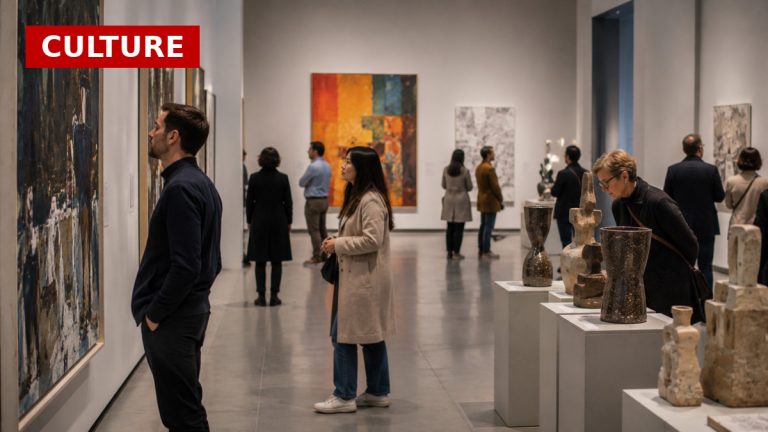
The Manifesta art biennial is transforming Germany’s post-war churches, repurposing these once-vibrant community hubs into contemporary art venues. This initiative not only breathes new life into these structures but also highlights the significant decline in church attendance in the Ruhr region, where many churches now stand empty. By showcasing international artists’ works in these deconsecrated spaces, Manifesta is fostering a dialogue about the evolving role of churches in modern society.
Historically, the Ruhr region saw a surge in church construction following World War II, with around 1,000 churches built to serve local communities. However, as congregations dwindle, these buildings face the risk of being forgotten. The current exhibition, titled “This is not a church,” invites visitors to engage with art in spaces that once held deep spiritual significance, prompting reflection on their past roles.
This revival of churches as art venues also serves as a reminder of the social functions these spaces once fulfilled. They were not merely places of worship but community centers offering services like libraries and programs for children and seniors. The shift towards contemporary art installations in these spaces may inspire new forms of community engagement, redefining their purpose in a secular age.
As Manifesta continues to explore the intersection of art and architecture, it raises important questions about the future of these buildings. Will they evolve into cultural hubs, or will they fade into obscurity? The success of this initiative could influence how similar spaces are utilized across Europe, potentially reshaping community interactions with art and heritage.
Source: DW News