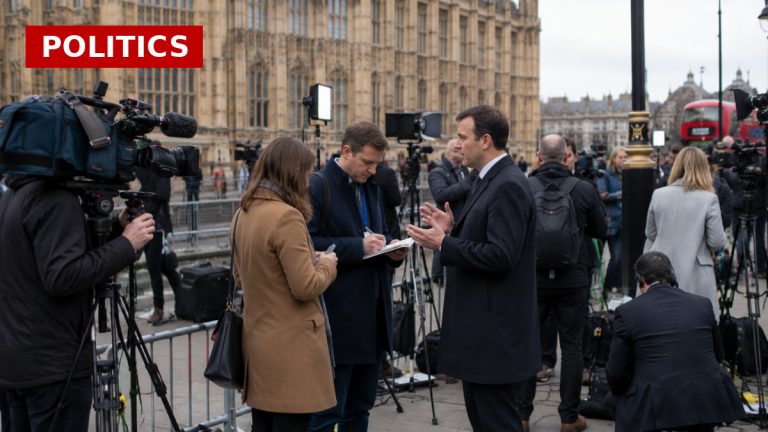
Andy Burnham’s proposal to decentralise power in Scotland could reshape local governance significantly. By advocating for a shift away from devolved parliaments towards community empowerment, Burnham aims to address feelings of disconnection among residents in regions like Dundee and Bangor. This change could lead to tailored local policies that better reflect the unique needs of each community, particularly in areas like employment support.
However, this vision raises questions about the practical implementation of such decentralisation. Critics argue that while the idea sounds promising, it risks being more rhetoric than reality, especially if it does not come with substantial policy backing. The Scottish government currently enjoys extensive devolved powers, and any move to redistribute these could provoke political tensions.
Burnham’s plan also includes establishing a ‘Number 10 North’ in Manchester, signalling a shift in how regional governance is approached. This could enhance the role of local mayors, similar to structures in England, but it remains to be seen how this will play out against Scotland’s existing framework.
Ultimately, Burnham’s approach challenges the traditional Westminster model, which many believe is outdated. As the political landscape evolves, the implications of his proposals could lead to a more responsive and locally-focused governance model across the UK, but only if backed by concrete policies and actions.
Source: BBC News