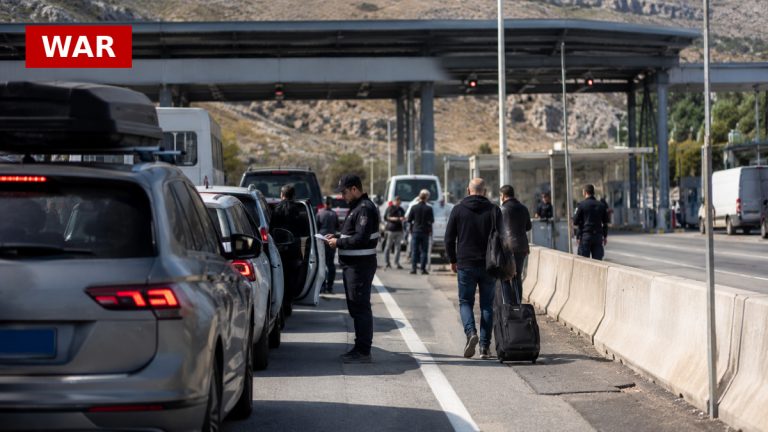
Vladimir Putin’s recent decision to shut down multiple border crossings with Finland, Estonia, and Latvia marks a significant escalation in Russia’s military strategy as it prepares to conscript hundreds of thousands of new soldiers for the ongoing conflict in Ukraine. This move, which halts the movement of people and goods, reflects the Kremlin’s urgency in addressing dwindling troop numbers on the frontlines.
The closures come amid reports of a declining willingness among Russian men to enlist, with a notable drop of one-third in volunteers compared to last year. This trend raises concerns about the effectiveness of future military operations and the potential for public unrest as the government seeks to fill ranks with less willing recruits, including those from prisons.
Putin’s acknowledgment of the challenges faced in the war, including fuel shortages and military setbacks, indicates a shift in narrative as he attempts to maintain control over a restless populace. The suspension of border traffic not only restricts movement but also serves as a warning sign of the Kremlin’s desperation to bolster its military capabilities.
As the situation develops, the implications for regional stability and international relations could be profound, particularly for neighbouring countries that now face increased tensions along their borders. The ripple effects of these decisions may extend beyond military logistics, potentially impacting trade and diplomatic relations in the region.
Source: GB News