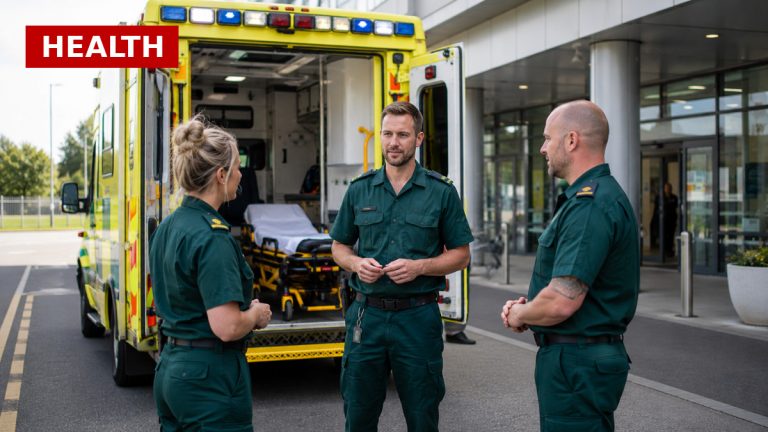
Ebola, a rare but deadly virus, has raised concerns following outbreaks in the Democratic Republic of Congo and Uganda. Recently, a patient at the Queen Elizabeth University Hospital in Glasgow was tested for Ebola, sparking fears of the virus returning to the UK. Fortunately, the test result was negative, and health experts assure that the risk to the public remains very low.
Ebola spreads through direct contact with bodily fluids, making it less contagious than airborne viruses like flu or Covid. Symptoms can take up to 21 days to appear, starting with flu-like signs before progressing to severe illness. The World Health Organization has declared the ongoing outbreak in central Africa a public health emergency, highlighting the need for vigilance.
In the UK, health authorities have established protocols for monitoring and testing individuals returning from affected regions. The UK Health Security Agency has activated its Returning Workers Scheme to ensure the health of those who travel to high-risk areas. This proactive approach aims to prevent any potential outbreaks and safeguard public health.
The last confirmed cases of Ebola in the UK were in 2014 and 2015, involving health workers who recovered without further transmission. As the situation evolves, the focus remains on maintaining robust health measures to manage any risks associated with Ebola effectively.
Source: BBC News