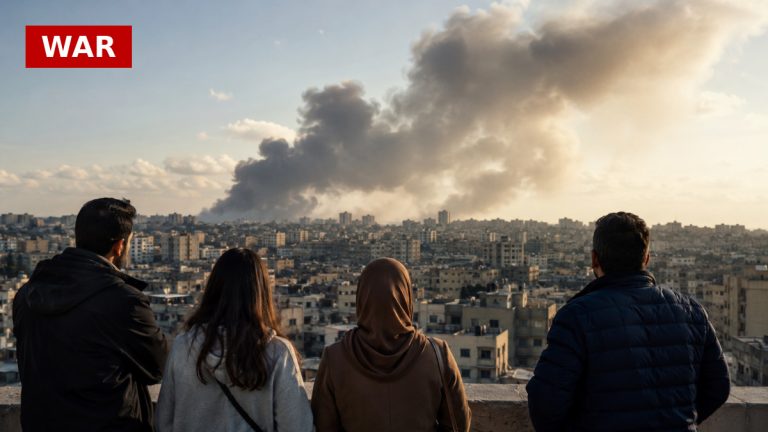
As the Gaza conflict marks its 1,000th day, the scale of devastation is staggering, with over 90% of the territory reported destroyed. This destruction has not only led to a humanitarian crisis but has also shifted the geopolitical landscape, as Israel expands its control over the enclave. The implications for regional stability are profound, with the potential for increased tensions as reconstruction efforts stall amidst ongoing violence.
The failure of the US-created Board of Peace to enforce a ceasefire highlights the fragility of the situation. With only a fraction of promised aid reaching Gaza, the population faces extreme food shortages and a healthcare crisis, as essential medications run out. This dire humanitarian situation could lead to further unrest, both within Gaza and in surrounding areas, as desperation grows.
Moreover, the Israeli government’s plans to establish settlements in the region signal a long-term strategy that may entrench divisions and complicate future peace efforts. The insistence on disarming Hamas before reconstruction can proceed raises questions about the feasibility of any lasting resolution.
As the conflict continues, the international community faces pressure to respond effectively. The consequences of inaction could resonate far beyond Gaza, affecting global perceptions of security and humanitarian responsibility in conflict zones.
Source: Al Jazeera