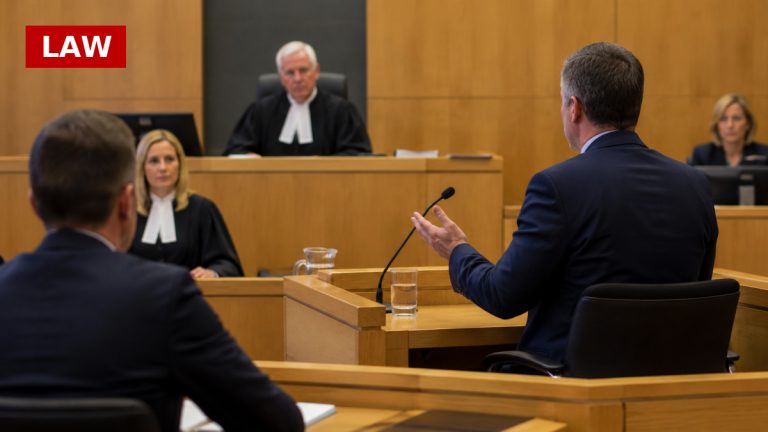
The Christian Brothers have faced significant backlash after court documents revealed they retained nine convicted child abusers within their religious order. The leadership claims a ‘Gospel imperative’ to care for all members, including those who have committed serious crimes. This decision raises profound ethical questions about the balance between supporting offenders and protecting victims.
The order’s financial struggles have compounded the situation, as they sought assistance from the Holy See just months before declaring insolvency. This has led to a moratorium on civil claims from abuse survivors, effectively halting numerous pending cases. Critics argue that this prioritisation of the order’s financial stability over victim compensation is deeply troubling.
Moreover, the Christian Brothers’ rationale for keeping these offenders in their ranks suggests a broader societal issue regarding how institutions manage convicted individuals. The leadership believes that monitoring offenders within the congregation is a means of ensuring community safety, yet this perspective may inadvertently prioritise the needs of offenders over those of victims.
As the order proposes to sell off properties valued at approximately $217 million to fund survivor compensation, the implications of their actions will likely resonate throughout the community. This situation highlights the ongoing struggle for justice and accountability within religious institutions, raising questions about their responsibilities to both victims and offenders.
Source: The Guardian