The funeral procession for Iran’s assassinated supreme leader, Ali Khamenei, drew millions in Tehran, marking a significant shift in public sentiment just months after widespread protests against the government. This massive turnout, despite previous unrest, suggests a complex narrative of national unity and resilience, potentially reshaping Iran’s political dynamics.
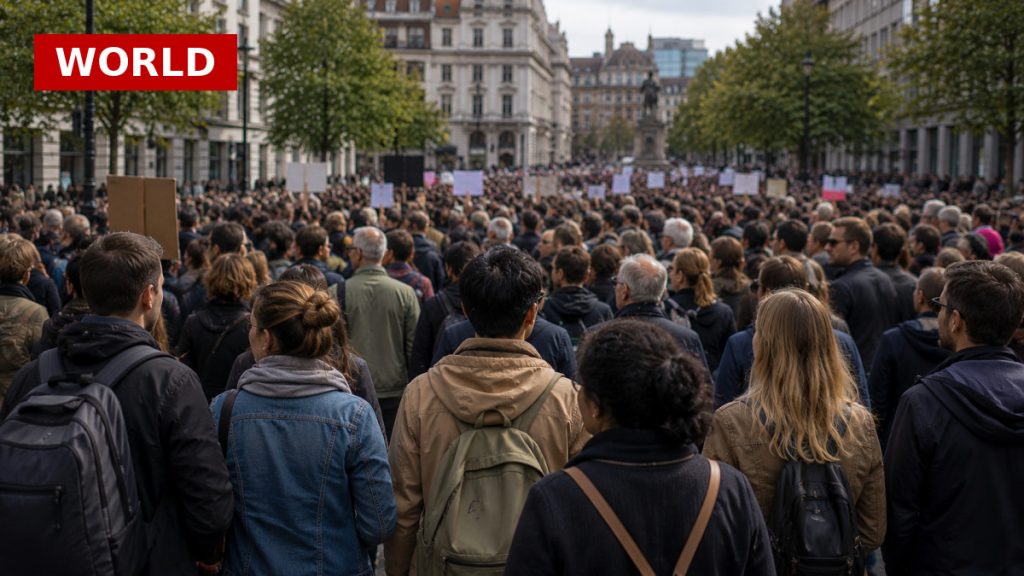
Mourners, dressed in black and chanting slogans, carried flags proclaiming ‘We will rise,’ reflecting a collective grief that may also serve as a rallying cry for the regime. The scale of the event, orchestrated by state authorities, indicates a strategic effort to consolidate power and demonstrate stability in the face of external threats, particularly from Israel and the US.
The absence of the new supreme leader, Mojtaba Khamenei, during the funeral raised concerns about safety and succession, hinting at underlying vulnerabilities within the Iranian leadership. This event not only commemorates Khamenei but also acts as a barometer for the regime’s future, as it seeks to navigate both internal dissent and external pressures.
As the Iranian president highlighted, the emotional display at the funeral challenges narratives of a fractured society, suggesting that the government’s response to recent conflicts may have inadvertently strengthened national cohesion. The implications of this event could resonate beyond Iran, influencing regional geopolitics and the West’s approach to the country.
Source: The Guardian