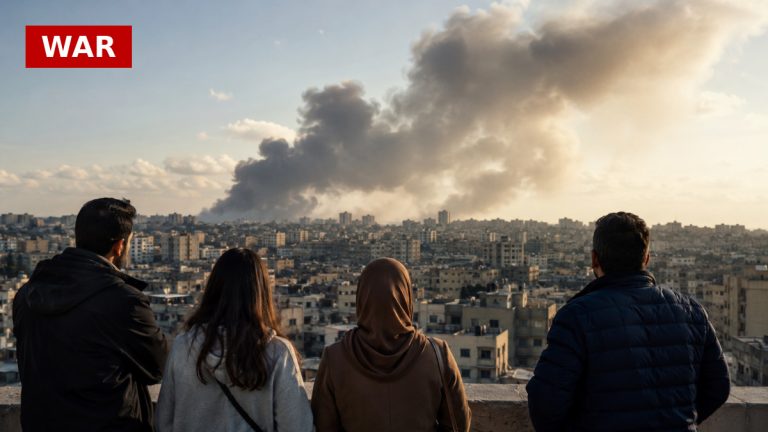
Hamas has announced its decision to dissolve its governing body in Gaza, a significant shift after nearly two decades of control. This move comes as part of a peace deal with Israel, which aims to establish a new technical administration to oversee the region. The transition is expected to be managed by the National Committee for the Administration of Gaza (NCAG), created under a previous agreement brokered by the United States.
The implications of this change are profound, particularly in light of the ongoing Israeli military presence in Gaza following the recent conflict. The handover process remains uncertain, as Israel has reportedly restricted NCAG members from entering Gaza, raising questions about the feasibility of this transition. The power shift could alter the dynamics of governance in Gaza, potentially impacting humanitarian aid delivery and regional stability.
Moreover, the dissolution of Hamas’s governing body may signal a shift in the political landscape, affecting not only local governance but also international relations. The peace agreement’s success hinges on the resolution of contentious issues, including disarmament and Israeli troop withdrawal, which remain unresolved.
As the situation evolves, the future of Gaza hangs in the balance, with the potential for both positive change and further complications in the already volatile region.
Source: DW News