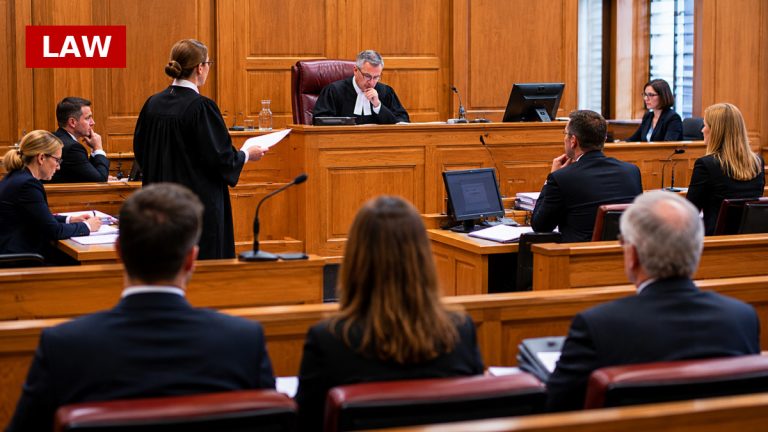
A Vienna court has convicted two former Syrian security officials for torture and sexual assault against opponents of Bashar Assad’s regime. This landmark ruling underscores the principle of universal jurisdiction, allowing courts to prosecute serious crimes regardless of where they occurred. The implications of this case extend beyond Austria, as it sets a precedent for future prosecutions of war crimes in Europe, potentially affecting how nations handle similar cases.
The primary defendant, Khaled al-Halabi, received an eight-year sentence based on testimonies from over a dozen victims detailing horrific abuses. His conviction, alongside that of Musab Abu Rukbah, signals a growing willingness among European courts to confront human rights violations committed abroad. This trend could encourage more victims to seek justice, impacting the legal landscape for war crimes.
Moreover, the case raises awareness about the ongoing Syrian conflict and the plight of refugees. As more individuals from conflict zones seek asylum in Europe, the legal ramifications of their past actions may complicate their integration into society. This could lead to increased scrutiny of refugee applications and a potential shift in public sentiment regarding asylum policies.
Ultimately, these convictions serve as a reminder of the importance of accountability in international law. They highlight the role of European courts in addressing atrocities and may inspire further legal actions against those responsible for human rights violations, reinforcing the notion that such crimes cannot go unpunished, regardless of where they occur.
Source: DW News