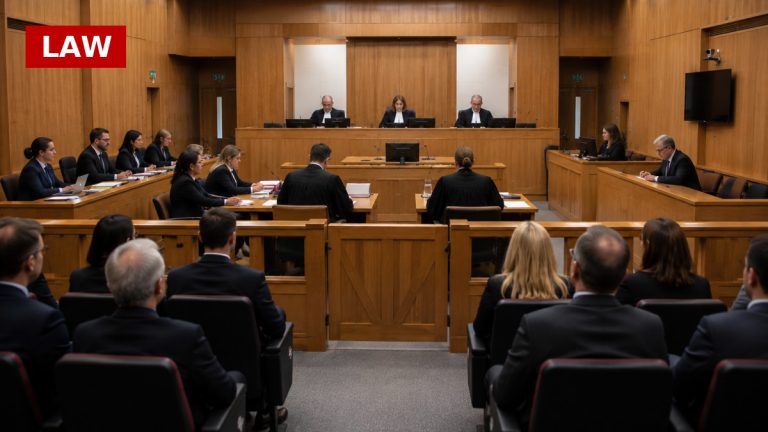
The US Supreme Court’s recent decision allows Texas to enforce its App Store Accountability Act, which mandates age verification for app downloads by minors. This law requires parental consent before children can access apps, a move aimed at enhancing child safety online. However, it raises significant concerns about free speech and privacy, as critics argue it infringes on First Amendment rights by imposing strict age checks on all app users.
The implications of this law extend beyond Texas, potentially influencing similar legislation across the US and even internationally. As states consider their own regulations, app developers may face increased compliance costs and operational challenges. This could lead to a fragmented app ecosystem where different states enforce varying standards, complicating the user experience.
Moreover, the law reflects a growing trend towards parental control over children’s online activities, echoing recent measures in other countries, such as Australia’s ban on social media for under-16s. This shift could alter how tech companies design their platforms, prioritising age verification features and parental controls.
As the legal battle continues, the outcome may set a precedent for how digital content is accessed by minors, impacting not just app stores but the broader landscape of online media consumption. Parents and developers alike should prepare for potential changes in how apps are accessed and used in the future.
Source: Al Jazeera