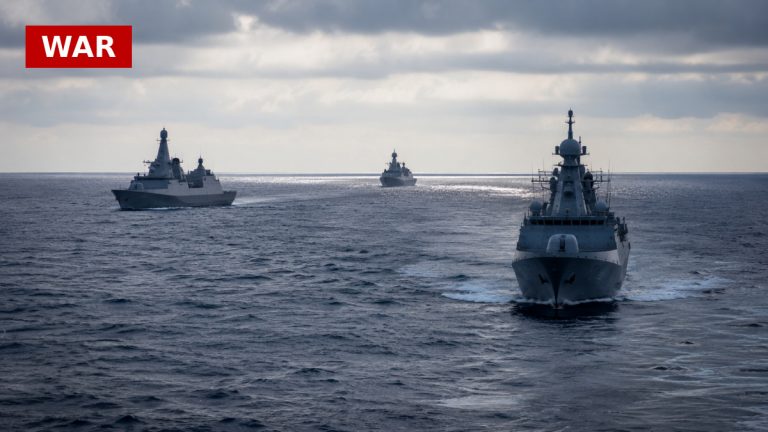
China’s recent missile test in the South Pacific has sparked significant alarm among its regional neighbours, particularly the US allies. This test, described by Beijing as routine, signals a shift in military dynamics, as China seeks to assert its growing capabilities in a region historically dominated by US military presence.
The implications of this test extend beyond immediate military concerns. It reflects China’s strategic intent to challenge the existing security architecture in the Pacific, which could lead to increased tensions and an arms race in the region. Countries like Australia and Japan have expressed their worries, indicating that this could destabilise regional security and provoke a stronger military response from the US and its allies.
Moreover, the missile, believed to be a submarine-launched intercontinental ballistic missile, has a range that could potentially reach targets in Australia. This raises questions about the effectiveness of current defence strategies and the need for enhanced military preparedness among Pacific nations.
As China continues to develop its military capabilities, the potential for miscalculation or conflict increases. The test serves as a reminder of the shifting power dynamics in the Pacific and the urgent need for diplomatic engagement to address these emerging threats.
Source: DW News