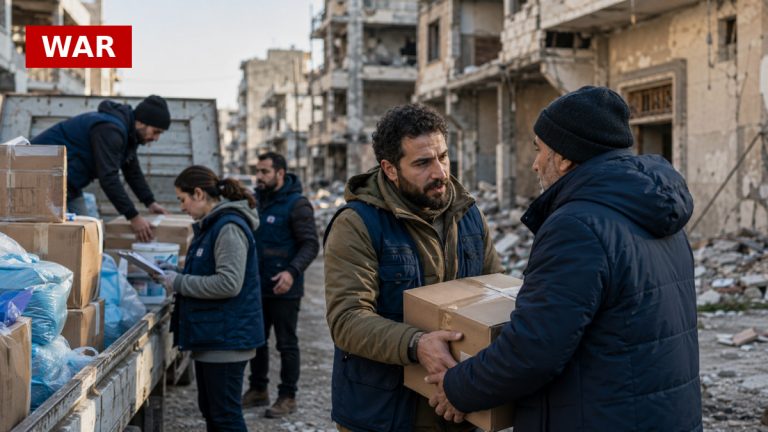
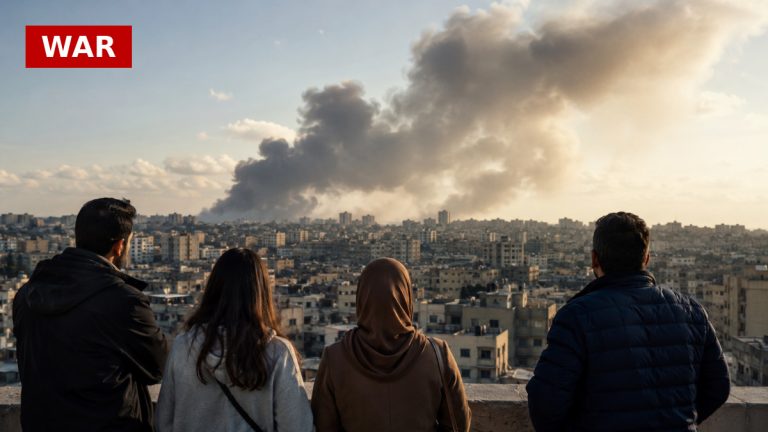
Recent bombings in Damascus, coinciding with French President Emmanuel Macron’s visit, highlight Syria’s precarious stability. The explosions, which injured eighteen, underscore the ongoing threat posed by remnants of the Islamic State (ISIL) and other armed groups. Despite the government’s claims of control, the reality is a fractured nation where local militias often maintain order in the absence of a strong central authority.
The resurgence of violence raises concerns about the government’s ability to attract foreign investment and tourism, crucial for rebuilding a war-torn economy. Analysts suggest that the psychological impact of such attacks could deter potential investors, complicating efforts to stabilise the region. The situation is further complicated by internal rivalries and the lingering influence of former regime loyalists, who may undermine the new government’s authority.
As the government navigates these challenges, it faces a dual threat: external pressures from international sanctions and internal discord among factions that once supported its rise to power. The recent easing of sanctions by the US could provide some relief, but it also risks alienating the very groups that helped secure the government’s position.
Ultimately, the path forward for Syria remains uncertain, with the potential for further unrest looming as various factions vie for power and influence. The government’s ability to maintain stability will be tested as it confronts both old and new threats in a deeply divided society.
Source: Al Jazeera