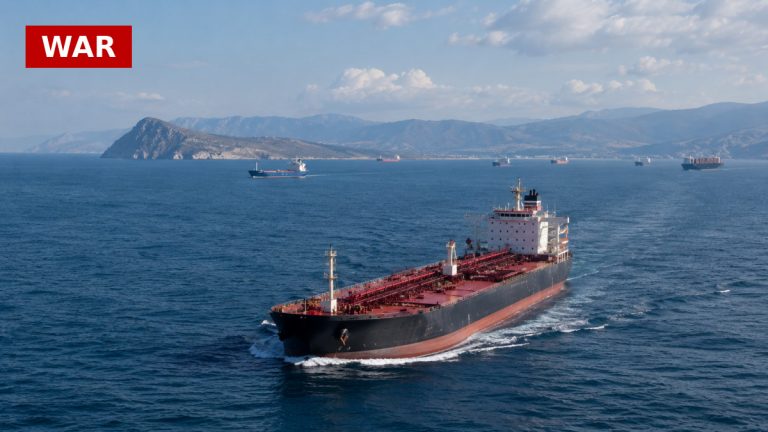
The recent US military strikes against Iran mark a significant escalation in tensions, particularly in the strategically vital Strait of Hormuz. This region is crucial for global oil transportation, and any disruption can have immediate effects on oil prices and international trade. The US Central Command has stated that these strikes are a direct response to Iranian attacks on commercial vessels, which could lead to heightened military presence in the area and increased risks for shipping companies.
The implications of these strikes extend beyond immediate military concerns. The US has also revoked a license that allowed Iran to sell oil, reinstating previous sanctions that could further cripple Iran’s economy. This move signals a shift in US policy, potentially affecting negotiations around Iran’s nuclear program and its regional influence.
As the situation unfolds, the impact on global markets could be profound. Oil prices may rise due to fears of supply disruptions, affecting consumers and businesses alike. Additionally, shipping routes may become more perilous, prompting companies to reconsider their logistics and insurance costs.
In the long term, these developments could reshape alliances in the region, with countries like Qatar and Saudi Arabia taking a more active role in countering Iranian influence. The US’s commitment to maintaining freedom of navigation in international waters will likely lead to increased military operations, which could further escalate tensions in an already volatile region.
Source: GB News