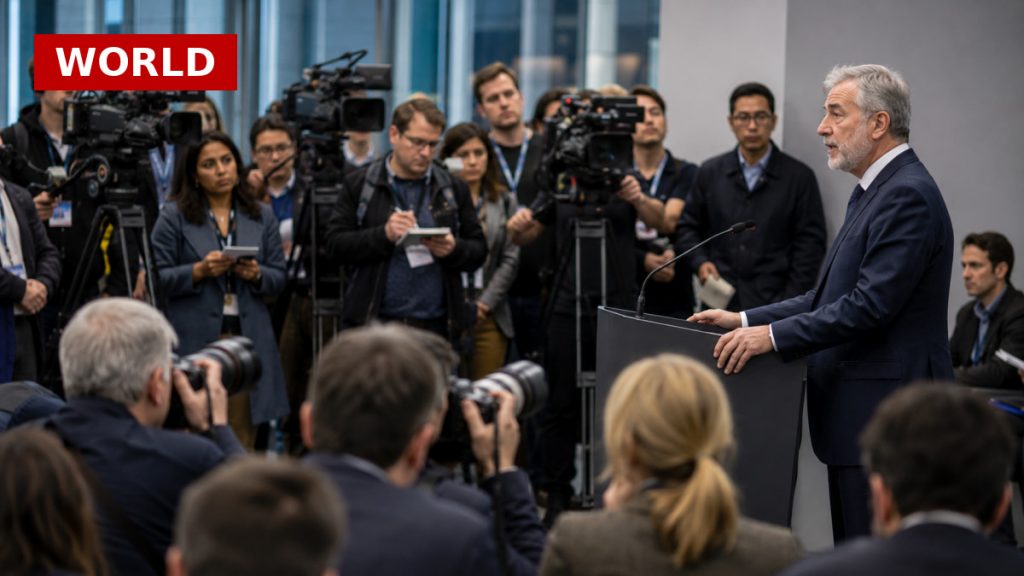
Tensions are escalating in the Democratic Republic of Congo (DRC) as President Felix Tshisekedi pushes for a constitutional referendum that critics argue could enable him to seek a third term. The opposition coalition, C64, has accused Tshisekedi of orchestrating a ‘constitutional coup’ and has postponed protests in response to African Union mediation efforts. This coalition, which includes prominent opposition figures, is concerned that the proposed changes threaten the country’s democratic framework.
The DRC’s parliament recently passed legislation that could lead to significant constitutional reform, raising fears of renewed unrest. Observers note that public distrust is growing, with many citizens opposing the referendum, which could reset presidential term limits and allow Tshisekedi to extend his rule beyond 2028. The situation is further complicated by the DRC’s role as a non-permanent member of the UN Security Council, where Tshisekedi aims to bolster his international standing.
Critics, including human rights activists and religious leaders, argue that the focus should be on addressing pressing issues like public health and security rather than altering the constitution. They warn that such changes could exacerbate existing tensions and undermine the rule of law. The opposition has vowed to mobilize against the government’s plans, with protests scheduled to increase pressure on Tshisekedi.
As the DRC grapples with these political challenges, the potential for violence looms large, especially following previous clashes between protesters and security forces. The outcome of this constitutional debate could have profound implications for the DRC’s political landscape and the stability of the region.
Source: DW News